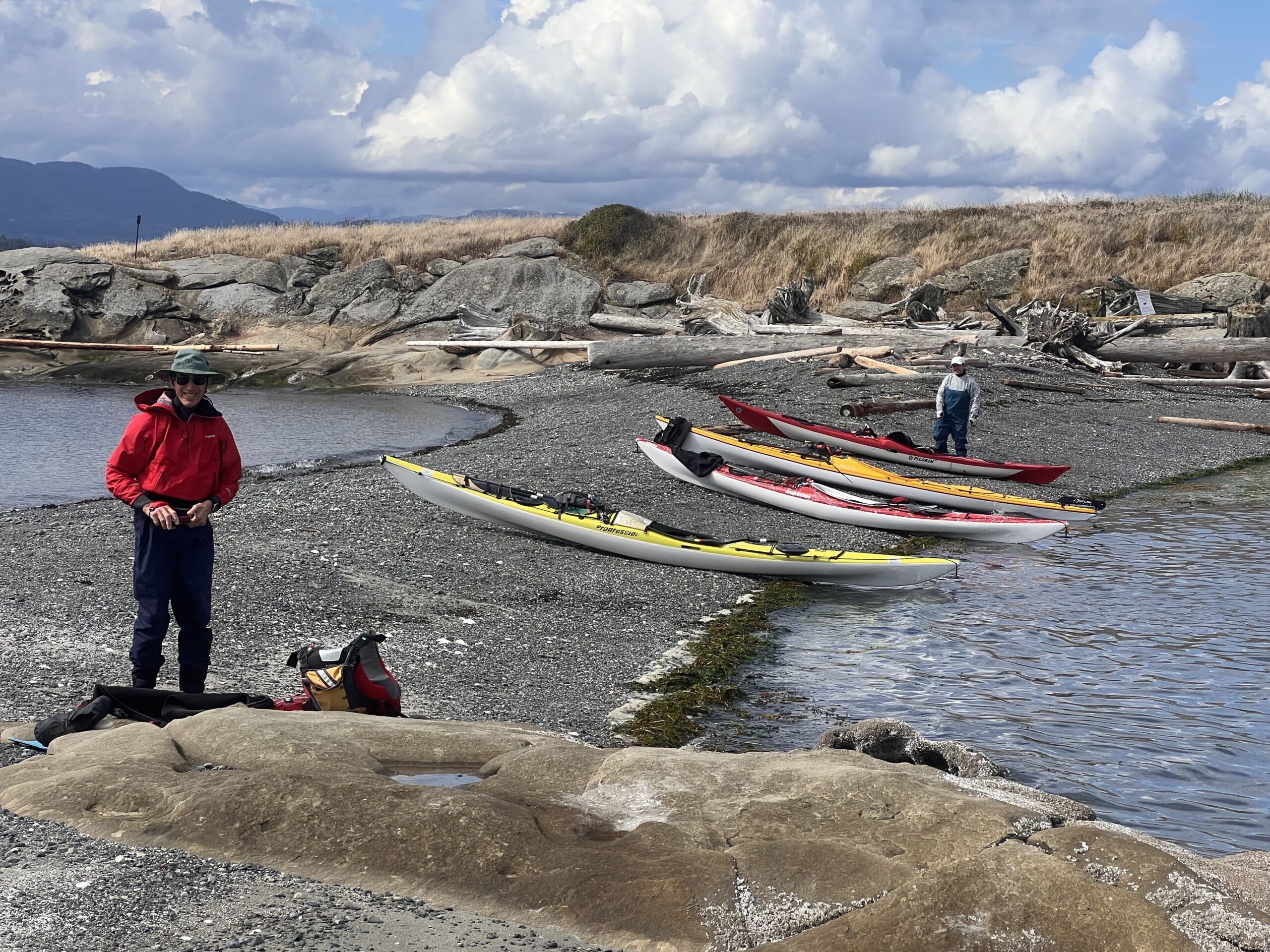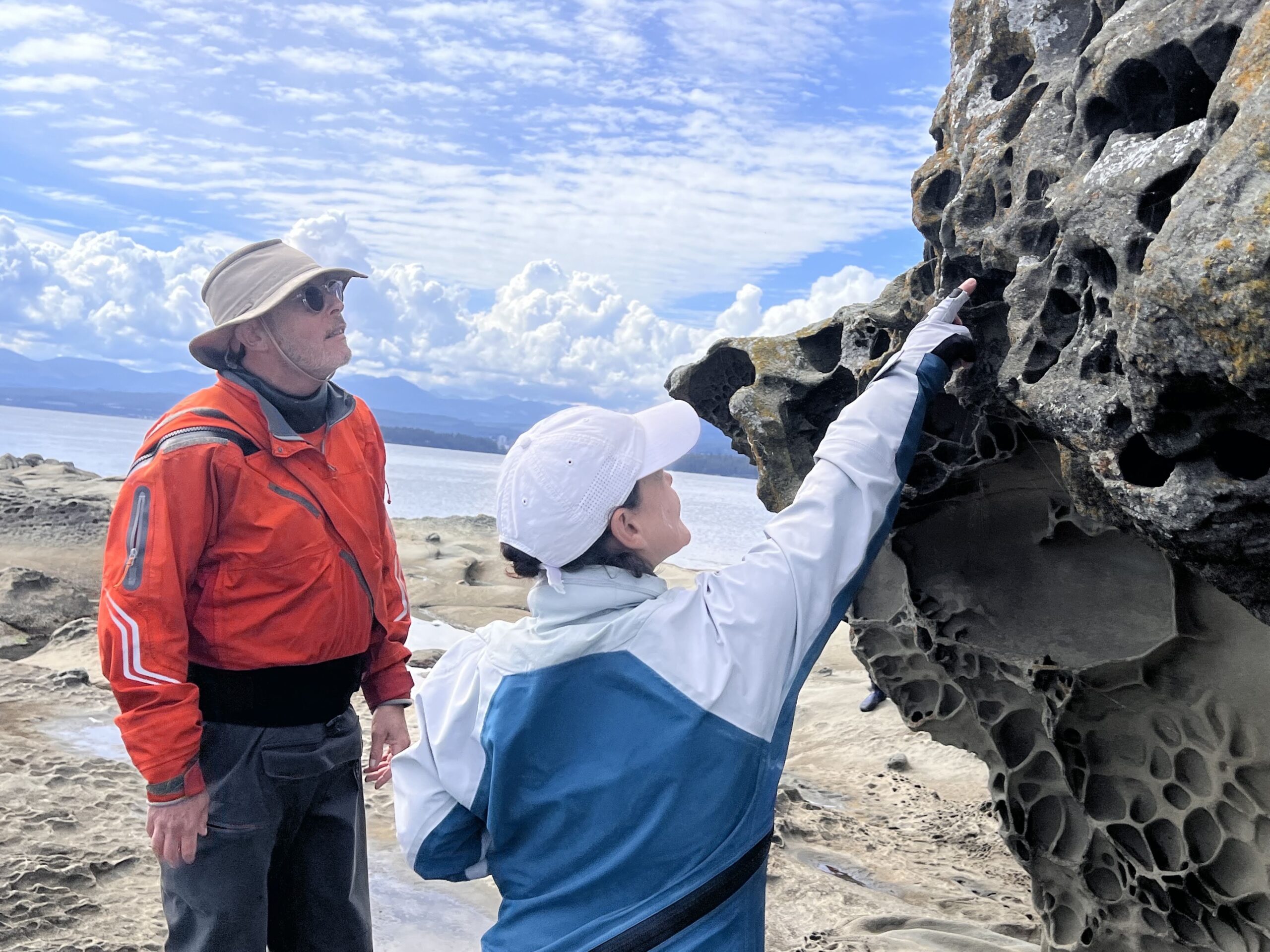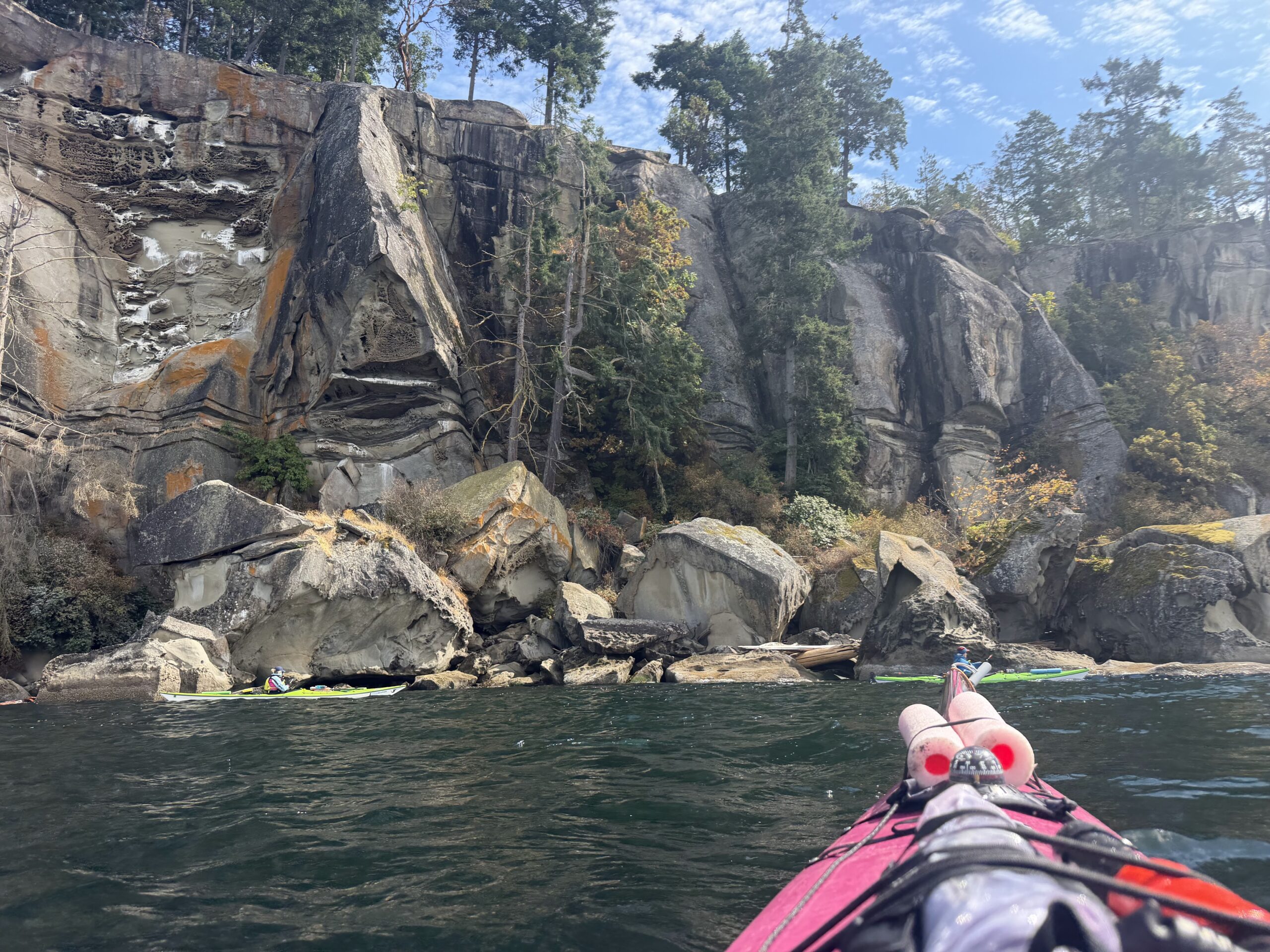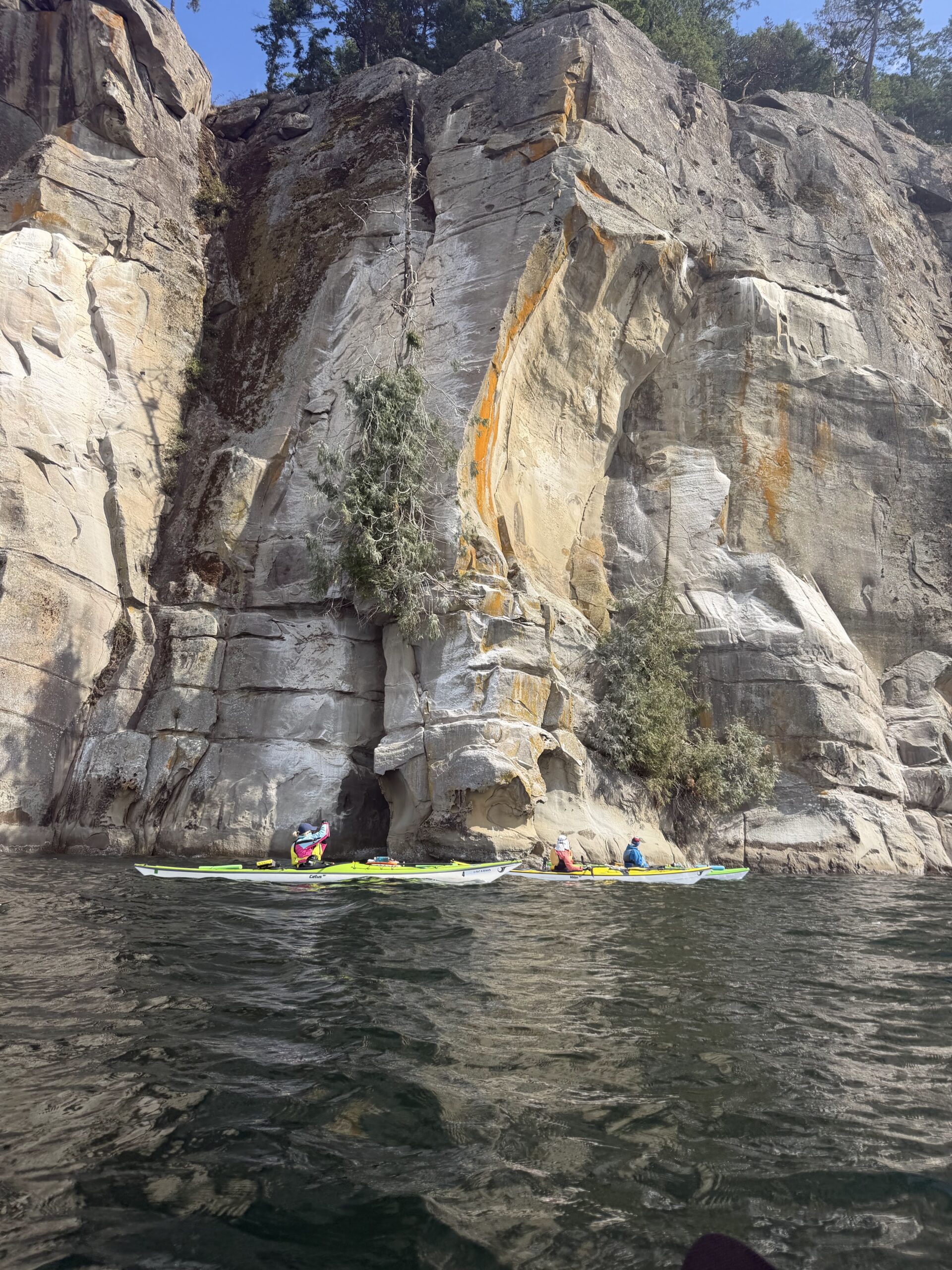
SKABC – Rescue Practice Session

It's that time of year again...

"When was the last time I practiced a rescue?"

That might be the second, or maybe even the third thing that pops into your mind while standing on the beach looking at dynamic conditions, or just after you click Submit on one of our amazing 2026 trips.

Fear not!

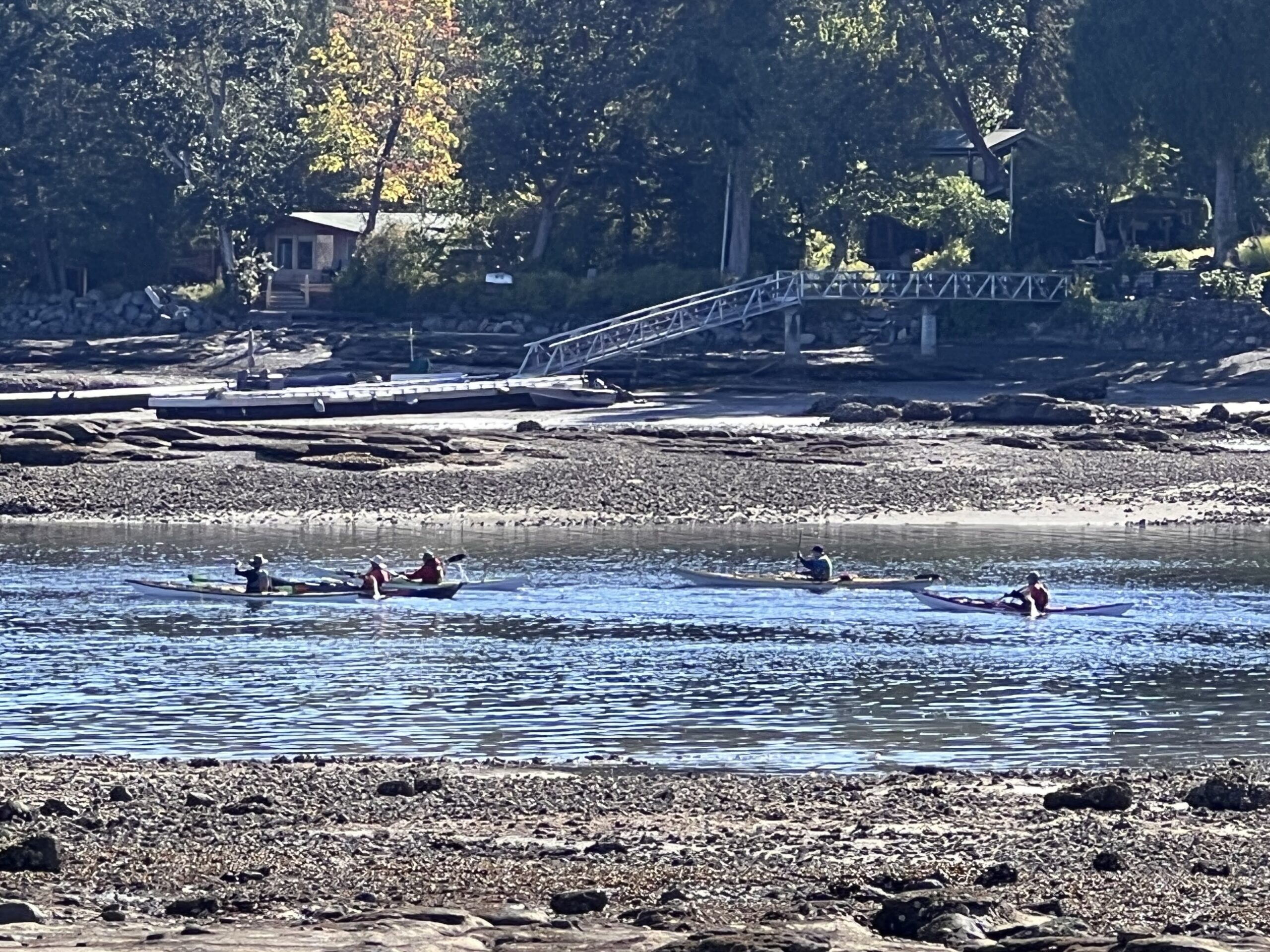
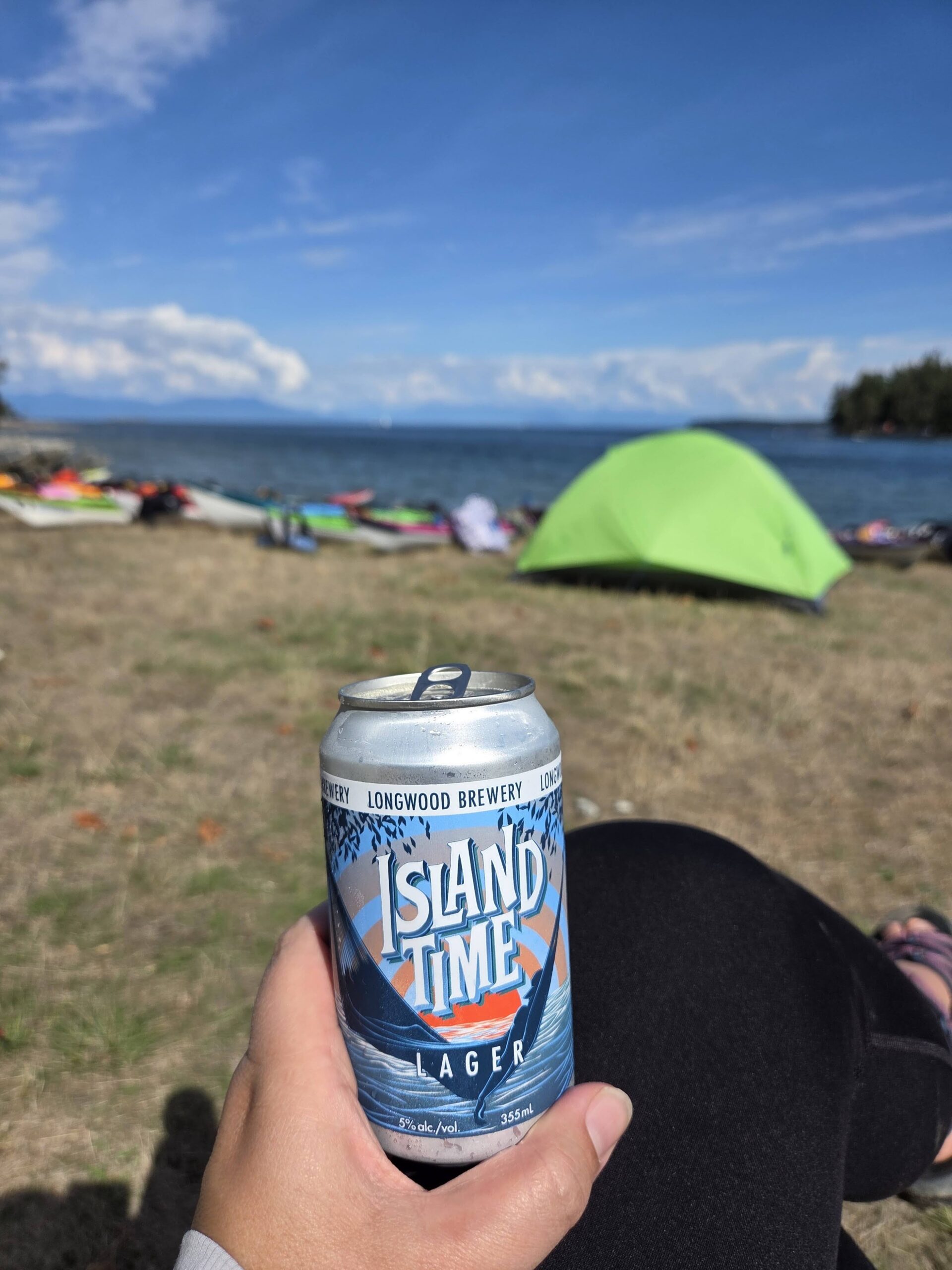
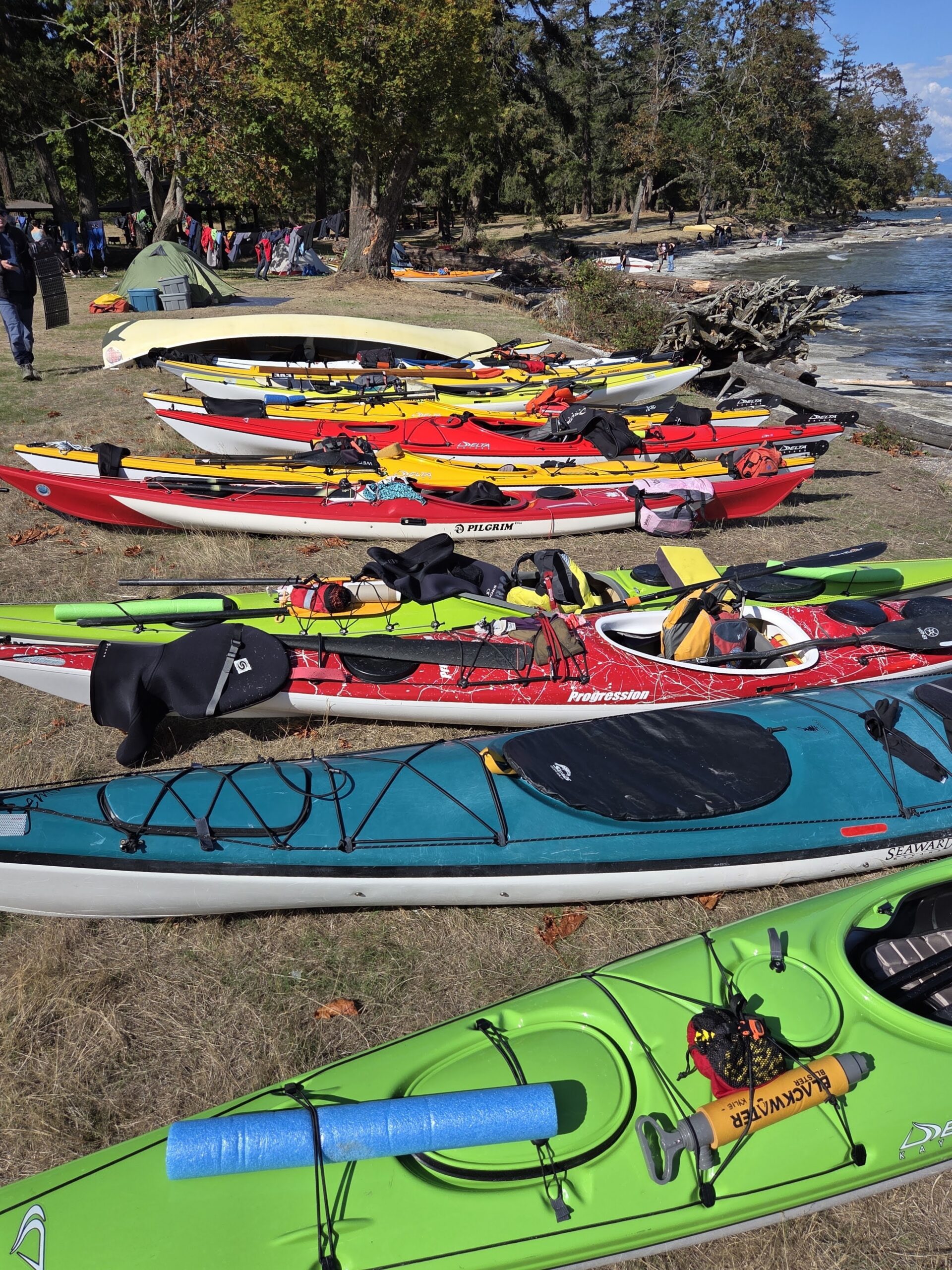
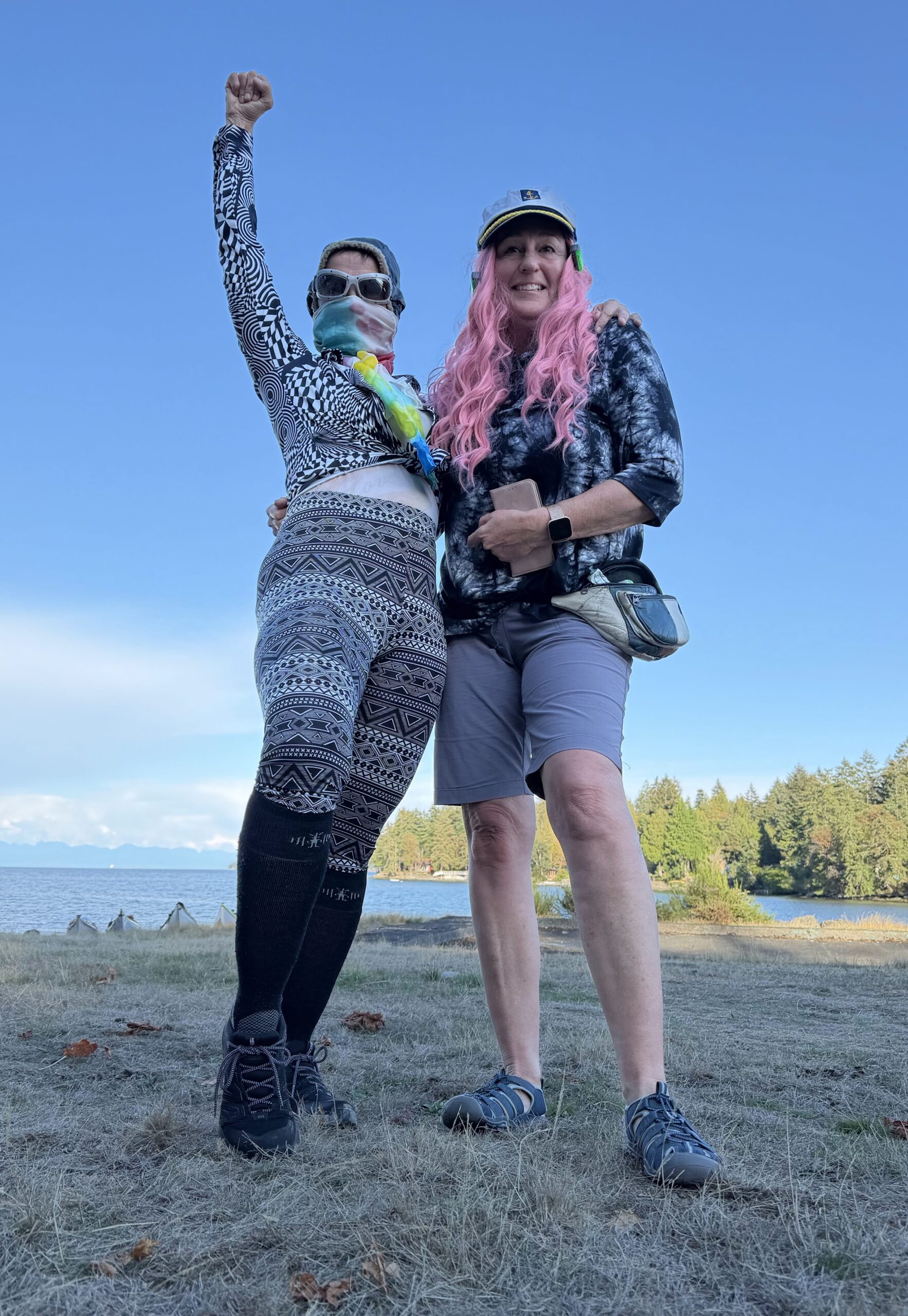
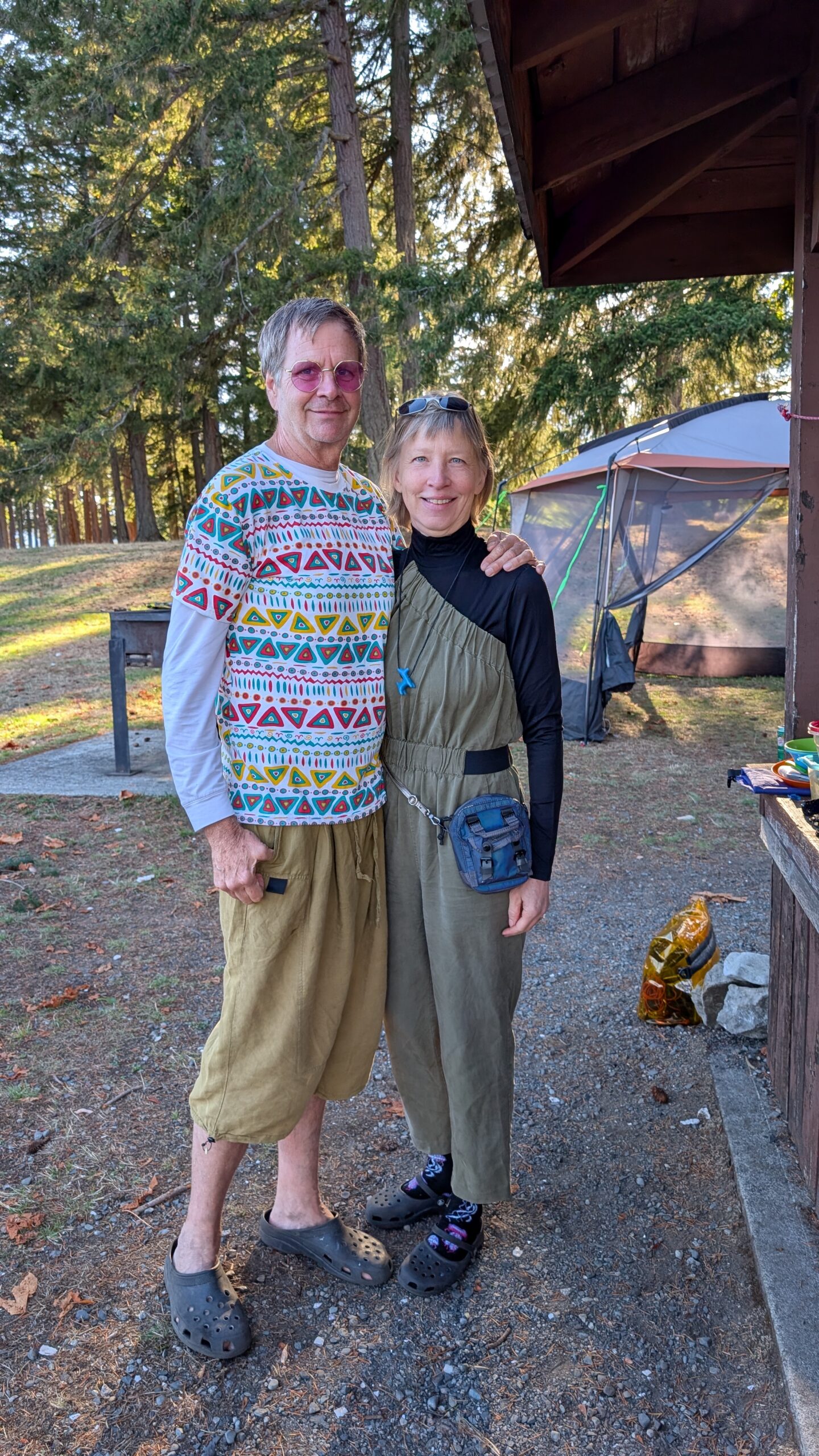
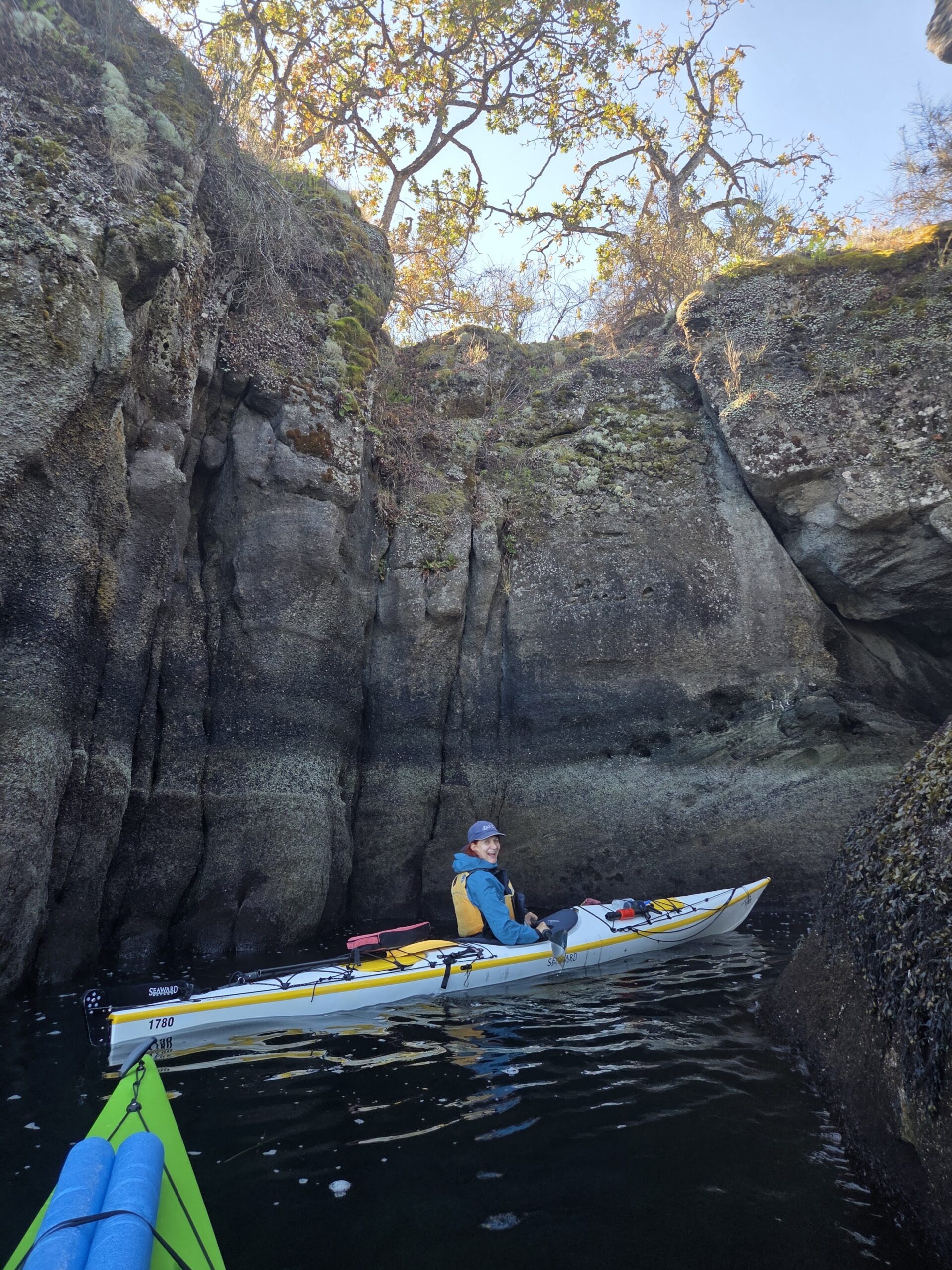
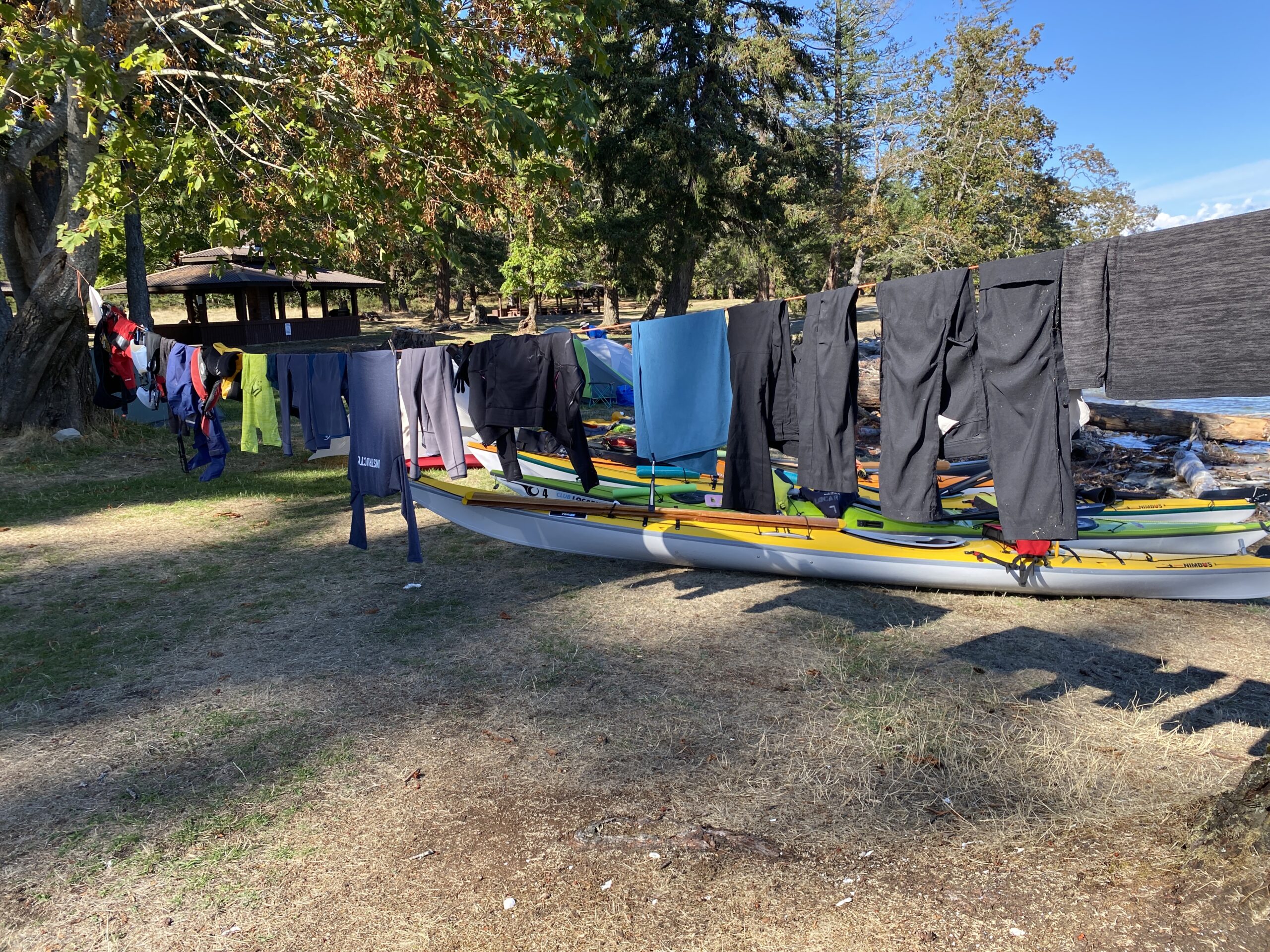
Many of our amazing SKABC trip leaders also host unofficial rescue practice sessions at no cost to members. One of those sessions was held this past Saturday out of Batchelor Bay in West Vancouver.

The day's training was led by Maureen Benzon, Klaus Boedker, and Peter Kearney. Each is an outstanding instructor in their own right, and together they created a fantastic chain of knowledge, experience, and encouragement.

The day's focus included:

Assisted rescues
Assisted rescues for an injured paddler
Solo rescues

...with plenty of discussion after each exercise about what worked well and what we could all improve for next time.

Once everyone was ready and the instructors gave the all-clear, we let the bodies hit the water in every possible situation.

Fast. Slow. Graceful. Awkward.

If there was a way to end up swimming, someone probably demonstrated it.

While watching everyone practice, I couldn't help but notice something.

Rescue practice, rolling practice, and karaoke actually have a lot in common.

In all three, you step in front of a crowd and perform a skill you're still learning. That's not easy. It takes courage to put yourself out there when you're outside your comfort zone.

Sometimes you nail it.

Sometimes... you don't.

Maybe your rescue takes four attempts. Maybe your roll becomes an unexpected wet exit. Maybe you forget the words to your favourite song.

But just like karaoke, the crowd isn't hoping you'll fail.

They're cheering for you.

Every successful rescue, every failed rescue, every laugh, and every lesson learned makes the entire group stronger.

So if you've been sitting on the fence about joining one of our rescue practice sessions...

Fear not.

We'll cheer just as loudly when you're upside down underwater as we will when you're safely back in your kayak.

See you on the water.

rescue-practice-3-skabc-2026-2.jpg rescue-practice-2-skabc-2026-1.jpg rescue-practice-1-skabc-2026-0.jpg

Posted in trip/training report | Comments Off on SKABC – Rescue Practice Session

Southern Gulf Islands – Classification 2B/2C June 16–21, 2026

Trip Leaders: Maureen Benzon and Lin Schulz
Participating Paddlers: Tracy Cook, Sherron Soo, Anita Leonhard, Lorraine Sharpsteen
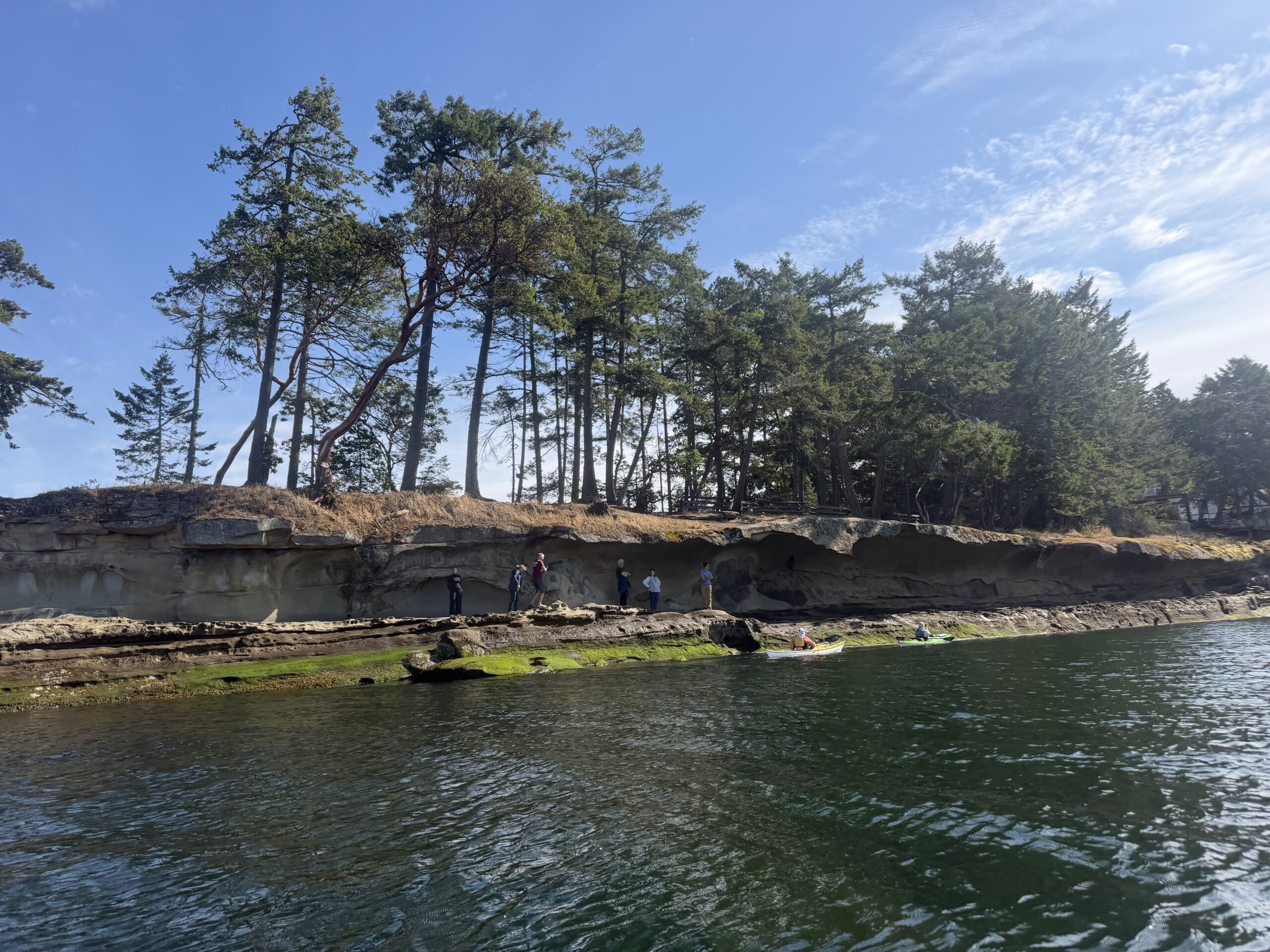
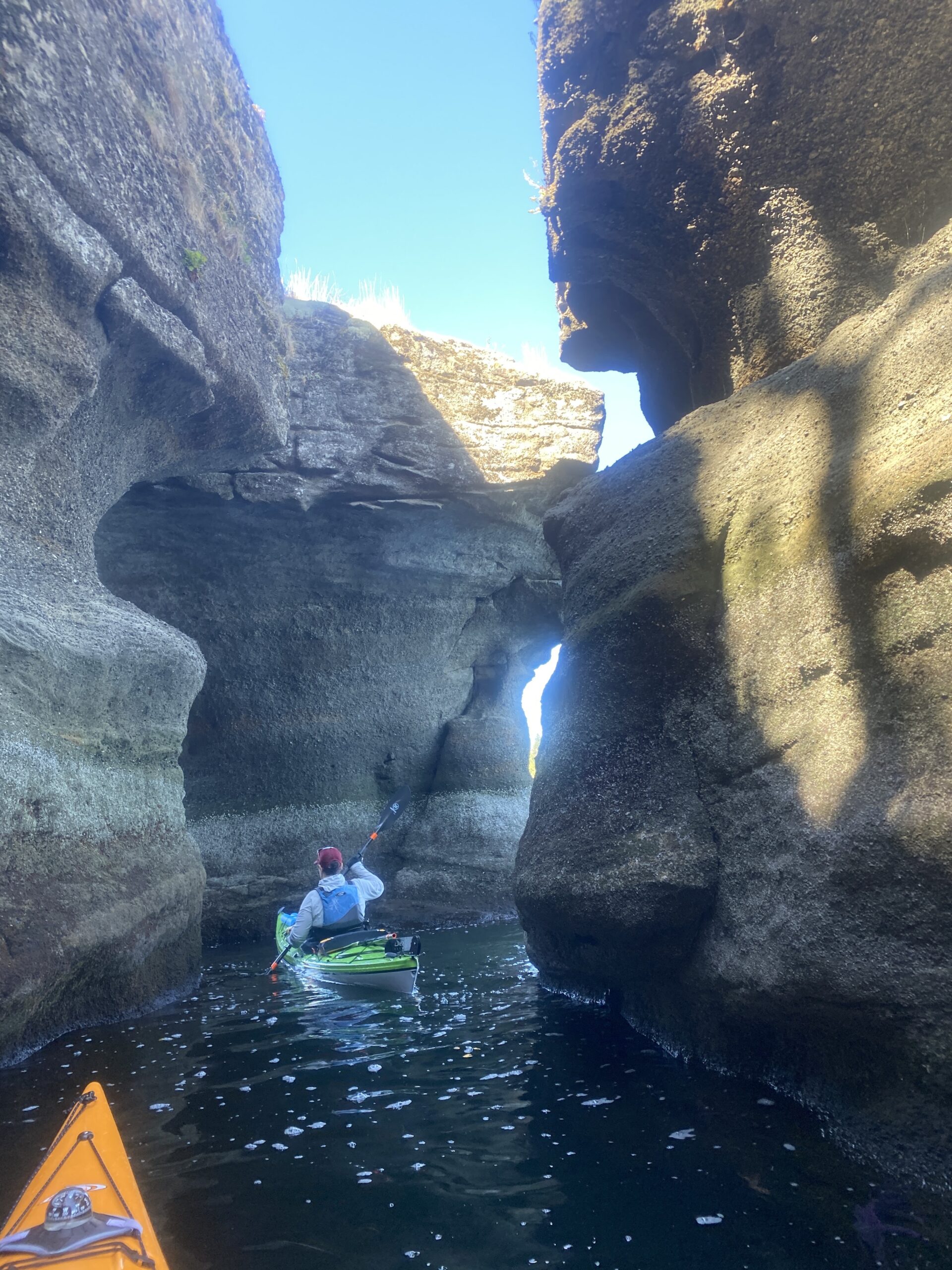
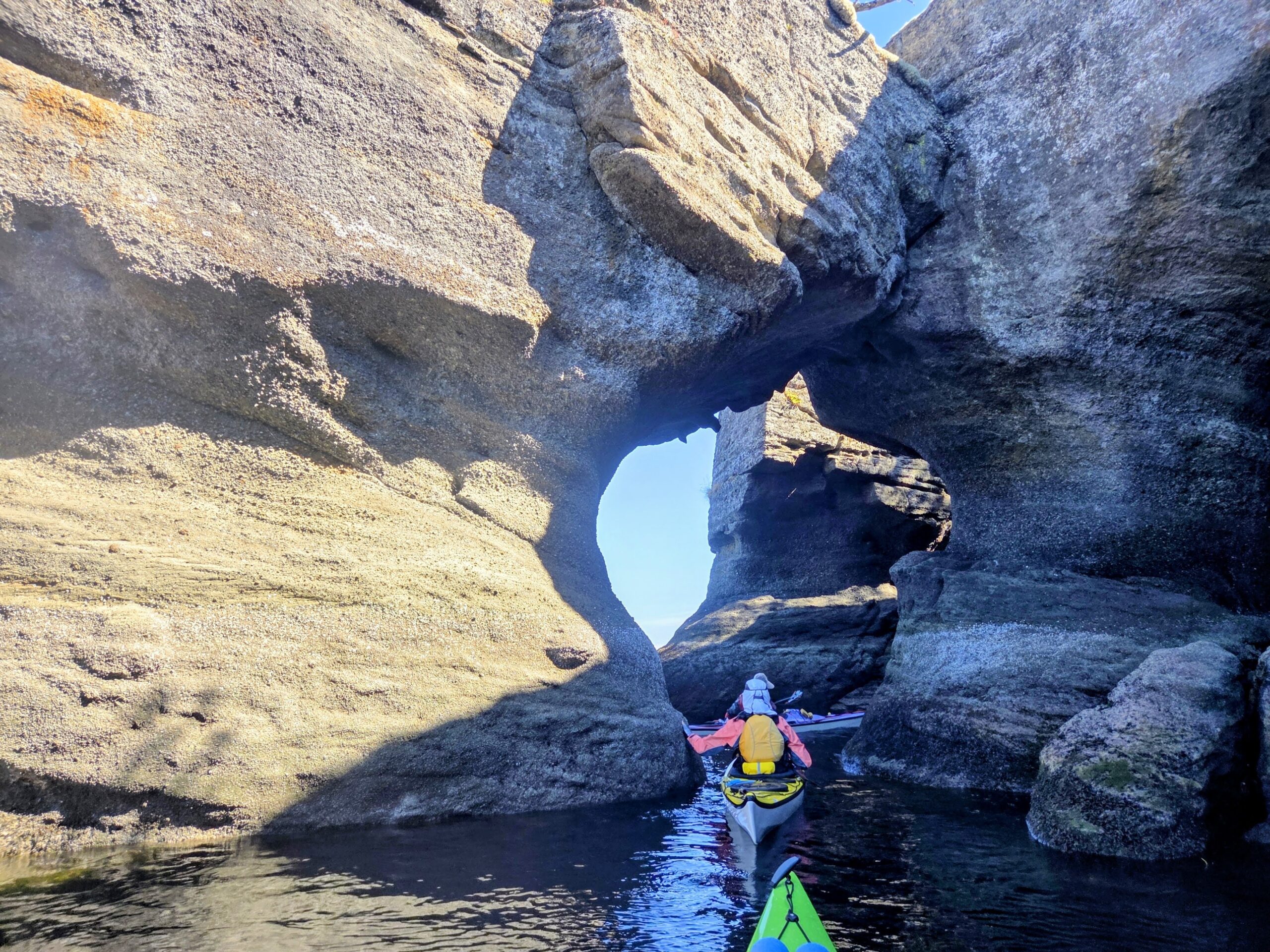
This was my first trip with SKABC and also my first experience with overnight trips on the BC Coast. What an incredible introduction! The scenery, weather, wildlife, and camaraderie made for an unforgettable six days on the water.
I am from Ontario and joined SKABC as I am spending the summer in BC and Alberta. I am so grateful to have found such a welcoming and knowledgeable group. A special thank you to my fellow paddlers for generously sharing their experience and helping me learn the unique skills involved in ocean kayaking.
This was a five-night trip with planned overnight stays on Rum Island and Portland Island.
Launch Site: Boat launch at the end of Barnacle Road (free parking, space permitting)
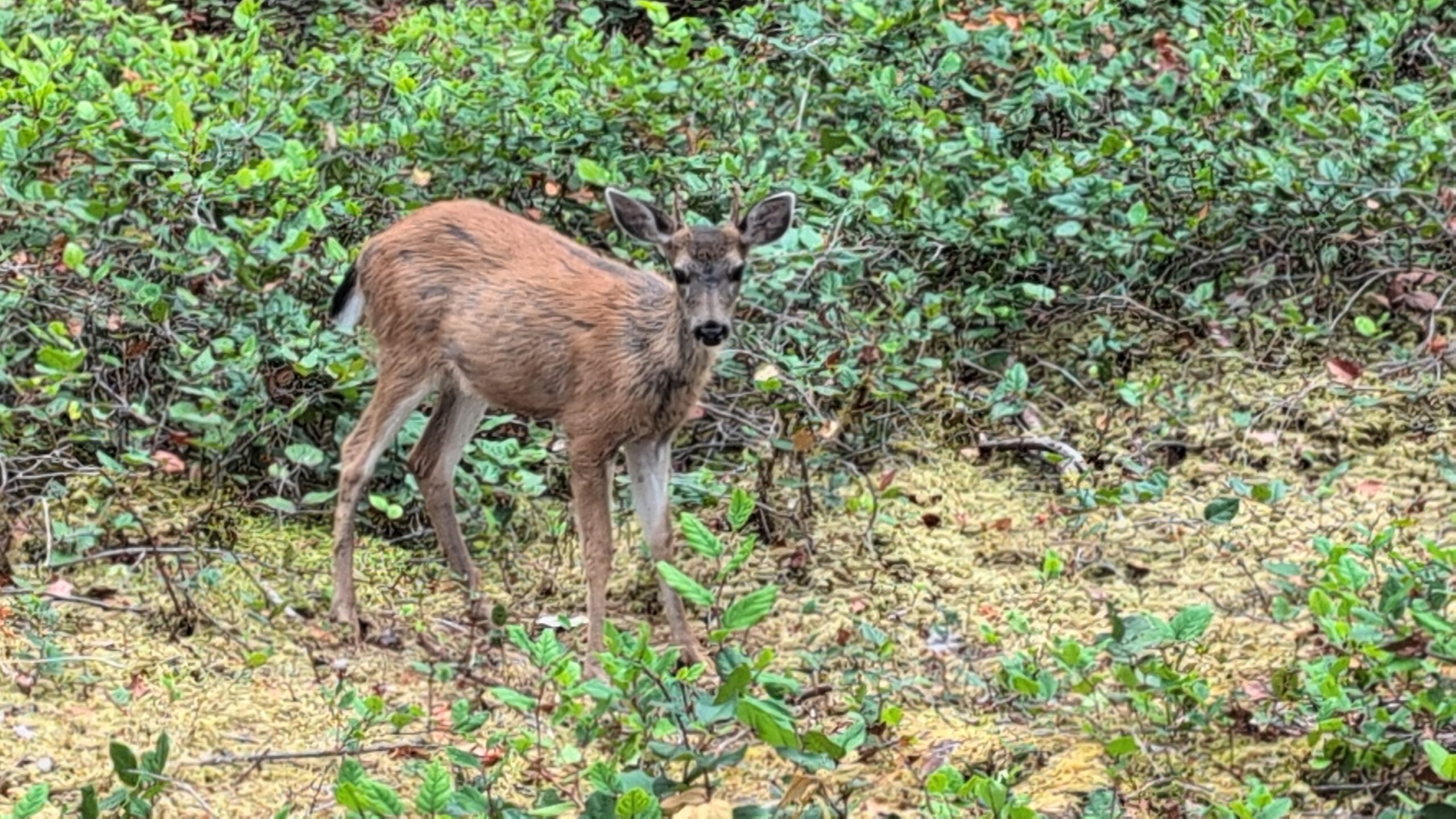
Wildlife Sightings: Seals, porpoises, jellyfish, a marten, eagles, a sea otter, and numerous seabirds.
Day 1 – Rum Island
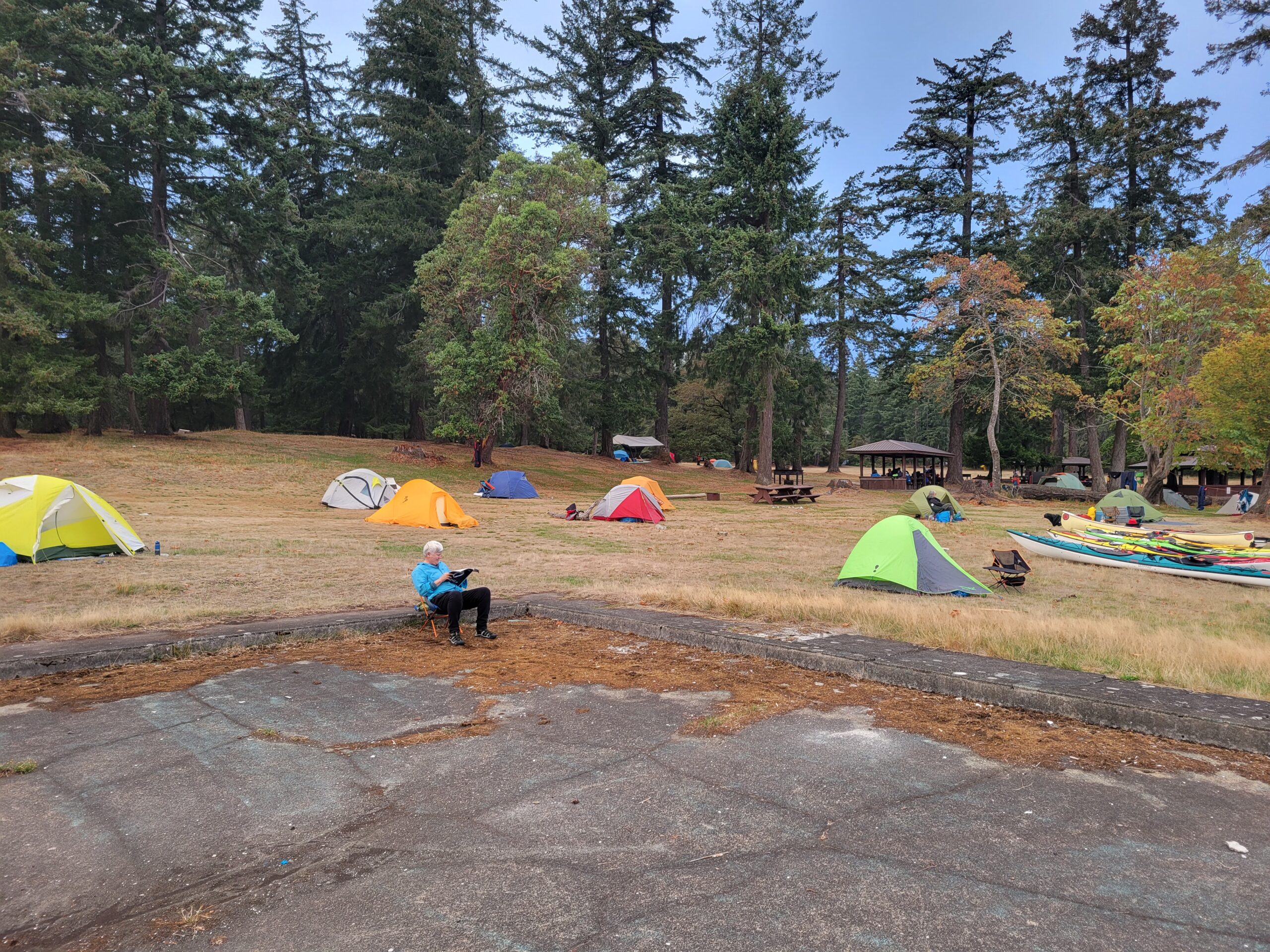
After unloading and packing our kayaks with six days' worth of gear, and water! We launched and paddled to Rum Island. The paddle took approximately three hours—just the right distance for the first day. We were fortunate to have the campground entirely to ourselves for the first two nights. The views from both sides of the island were spectacular.
Day 2 – Sidney Spit Exploration
We enjoyed a day trip around several nearby islands and over to Sidney Spit. This was my first experience paddling in significant tidal currents and learning about eddies and flow patterns. While we have waves and currents on the Great Lakes, I quickly realized that ocean kayaking requires a whole new level of planning. I now understand why paddlers carefully study tides and currents right up until launch time.
Day 3 – Weather Day on Rum Island
Strong winds and currents kept us on Rum Island and prevented our planned move to Portland Island. Although it was a bit disappointing not to travel that day, it turned into a wonderful opportunity to slow down and enjoy the island. We explored, relaxed, swam, and spent time getting to know one another better. The day ended with another stunning Gulf Islands sunset.
Day 4 – Portland Island
Conditions improved and we were able to make the crossing to Portland Island. It was a beautiful paddle and another valuable learning experience. Along the way, we encountered BC Ferries and their wakes, reinforcing the importance of route planning and situational awareness on the water.
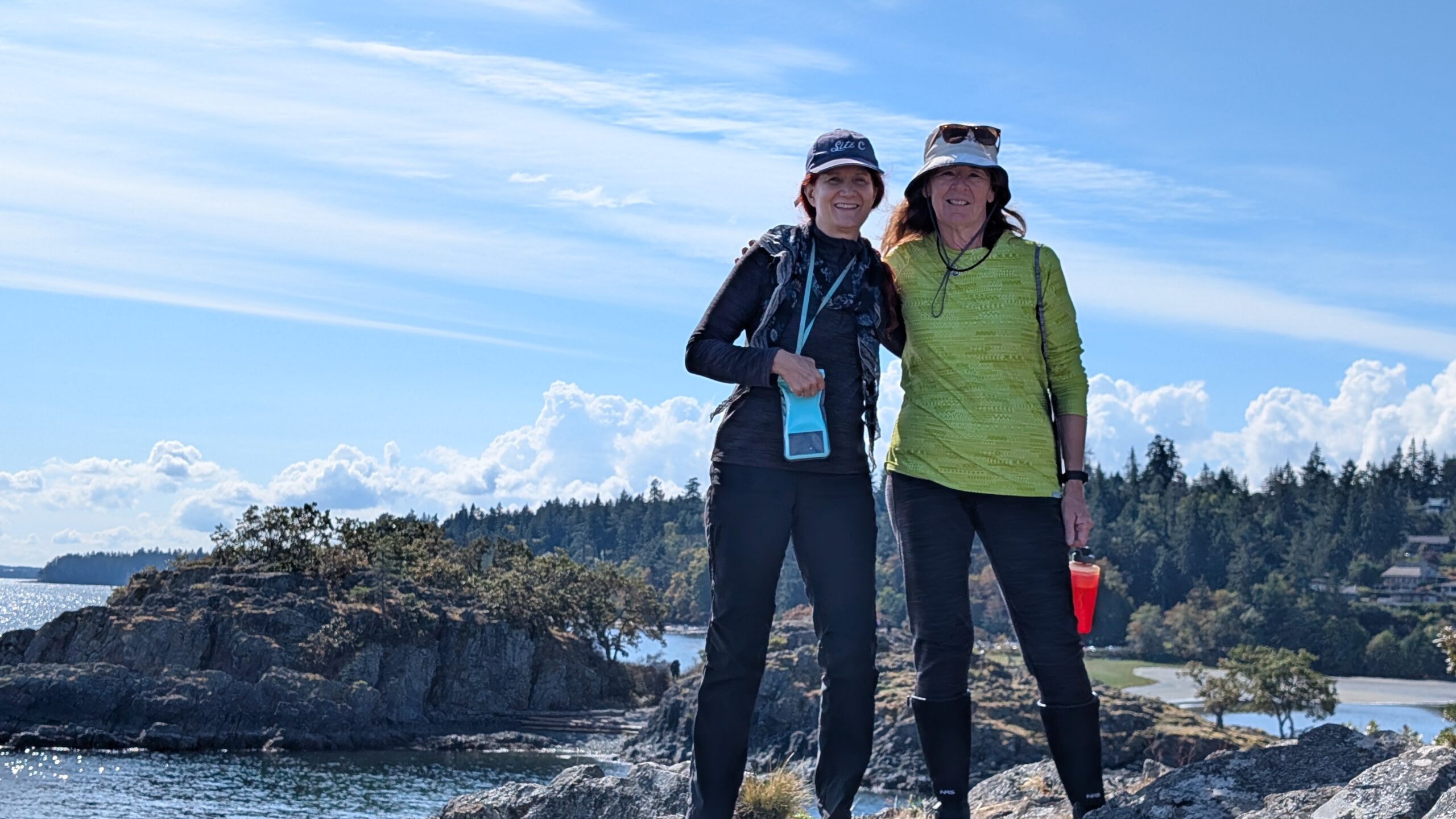
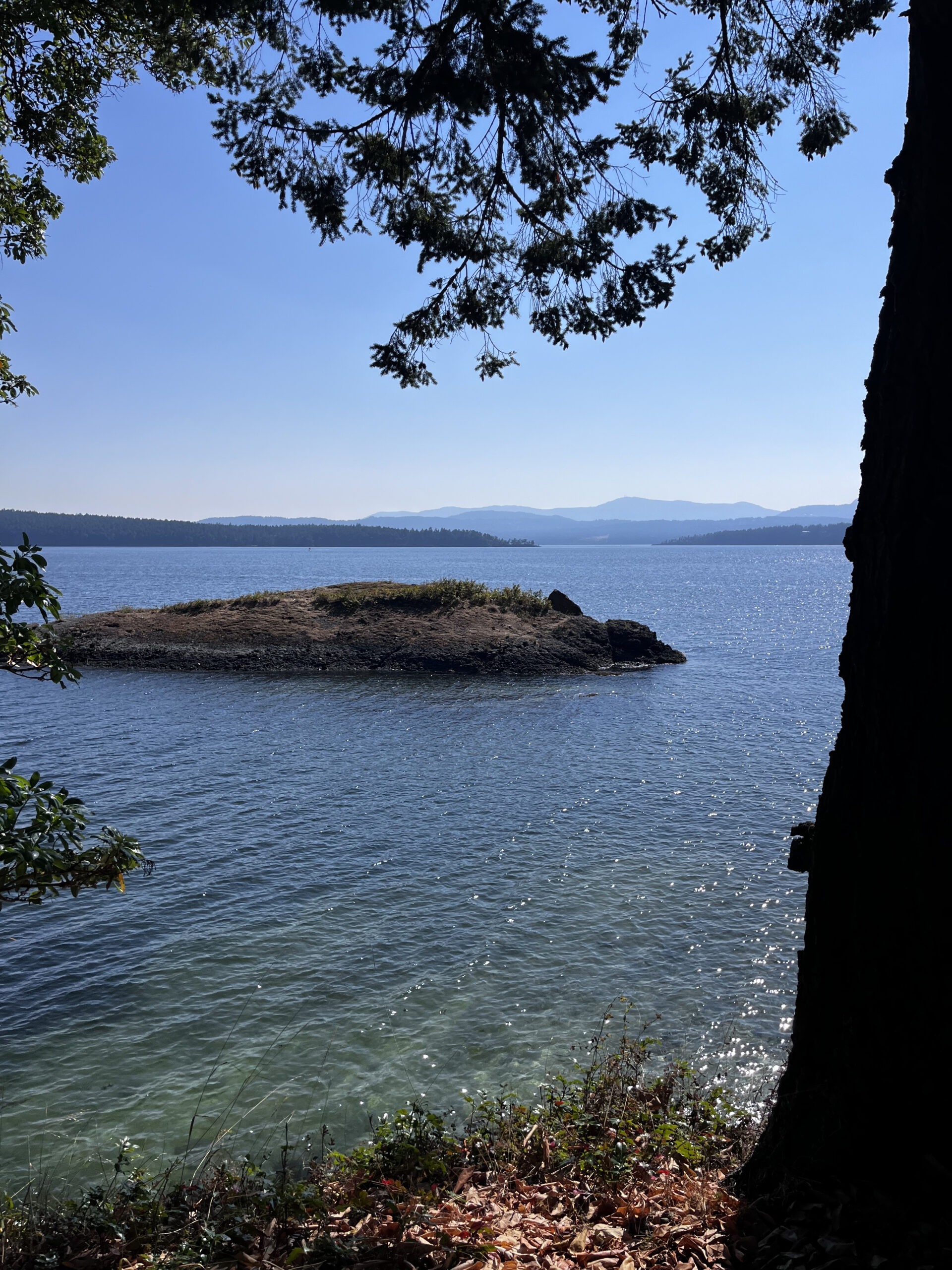
Portland Island was a fantastic destination, with beaches, walking trails, open forests, and endless ocean views. It is easy to see how someone could spend days exploring there.
One of our favourite discoveries was what we affectionately called "slab bathing." After an afternoon swim, we would stretch out on the large sun-warmed rock slabs near the shoreline. Every ten minutes we would move to a newly heated rock. It felt like nature's version of a hot stone massage and quickly became a group tradition.
Day 5 – Island Exploring
We spent the day exploring a nearby island while continuing to navigate around the busy ferry traffic. It was another beautiful day on the water, followed by more swimming and, of course, more slab bathing back at camp.
Day 6 – Return to Barnacle Road
Our final morning was spent packing up camp and enjoying the scenery one last time before paddling back to the launch site. After unloading our kayaks we said our goodbyes, I can’t believe the trip was over so fast.
Reflections
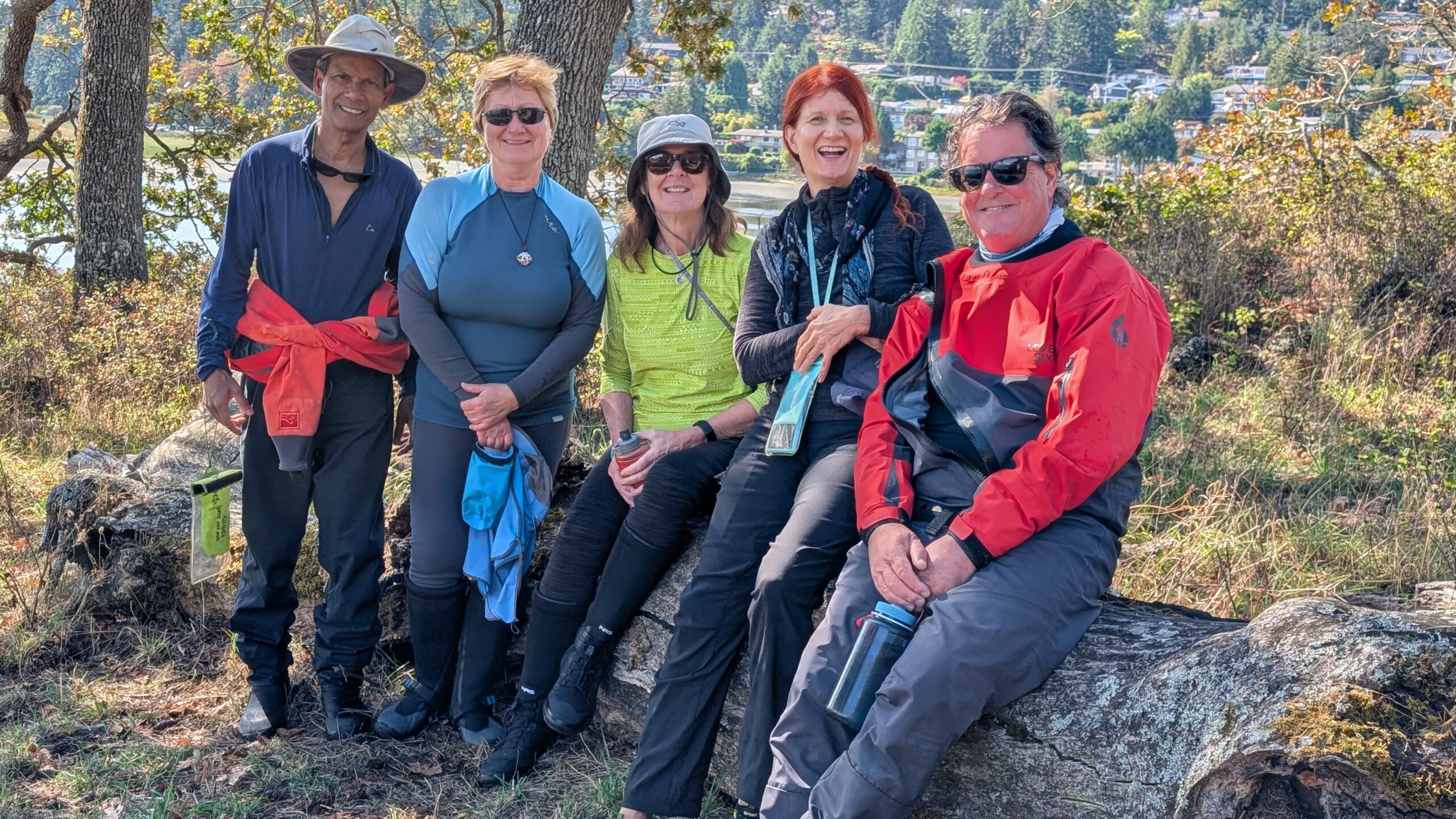
I had an amazing time with this group and learned a tremendous amount throughout the trip. I particularly enjoyed the sense of community both on and off the water, from sharing the kitchen table to discussing the next day's plans.
The daily and evening discussions about tides, currents, navigation, route planning, and safety were especially valuable. Before this trip, I had no idea how much preparation and decision-making goes into sea kayaking. It gave me a whole new appreciation for the knowledge and experience of SKABC trip leaders.
Thanks to the ladies for helping me eat some of the extra food I brought! Next time I will not pack as much food 😉
Thank you to Maureen, Lin, and the entire group for making me feel so welcome. I look forward to spending more time on the water this summer and hope to join many more SKABC trips in the future.

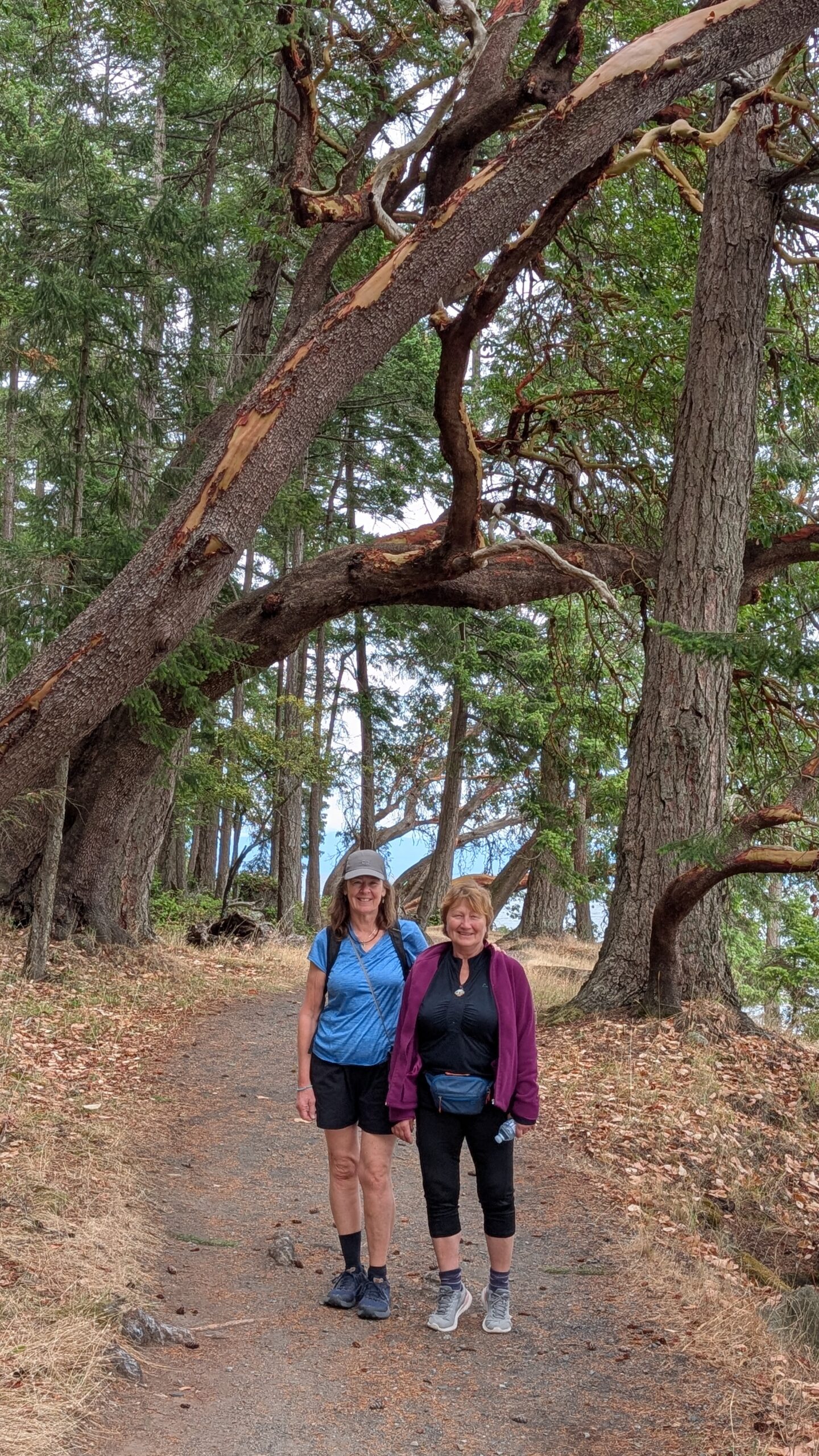
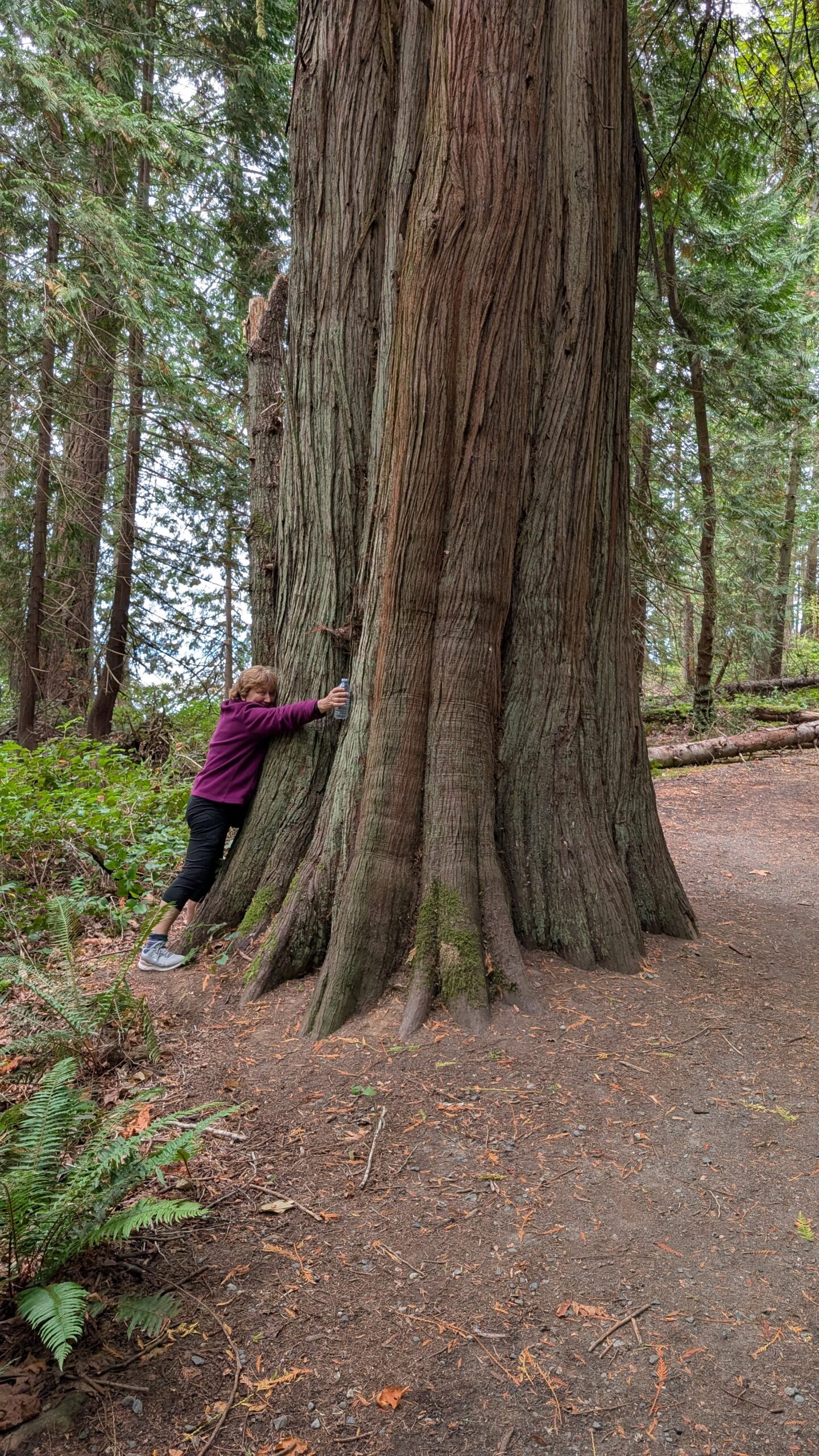
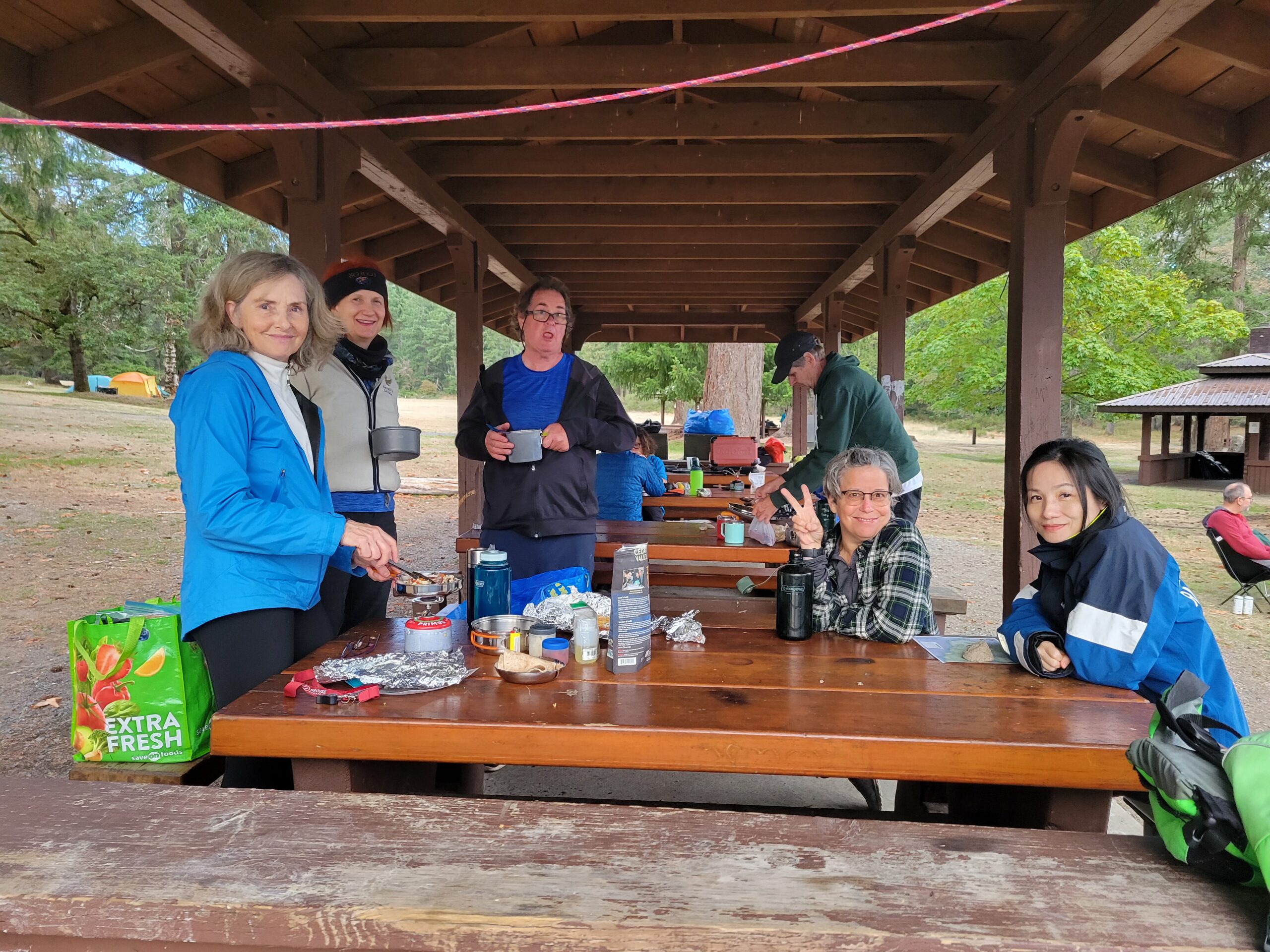
IMG_6568-4.JPEG IMG_6575-3.JPEG IMG_6508-2.JPEG IMG_6587-1.JPEG IMG_6590-0.JPEG

Posted in general interest | Comments Off on Southern Gulf Islands – Classification 2B/2C June 16–21, 2026

Volunteer for Communications and Newsletter urgently needed!

Do you have a passion for writing and communicating? SKABC is looking for a Communications Officer starting this summer! Below is the role description. Contact exec@skabc.org to find out more.

Role description of Communications Officer:

- Partners with the Webmanager and Social Media Officer to coordinate the different avenues of communication to members (email, social media, website, etc.).

- Collects content, organizes and sends out periodic email updates - Monthly Newsletter, Mid-Month Update, - Ad-hoc Messages - using a WordPress template.

- Sends out email reminders of monthly and other meetings &
events.

- Attends monthly Executive meetings over Zoom

Posted in announcement | Comments Off on Volunteer for Communications and Newsletter urgently needed!

Conservation Update June 2026

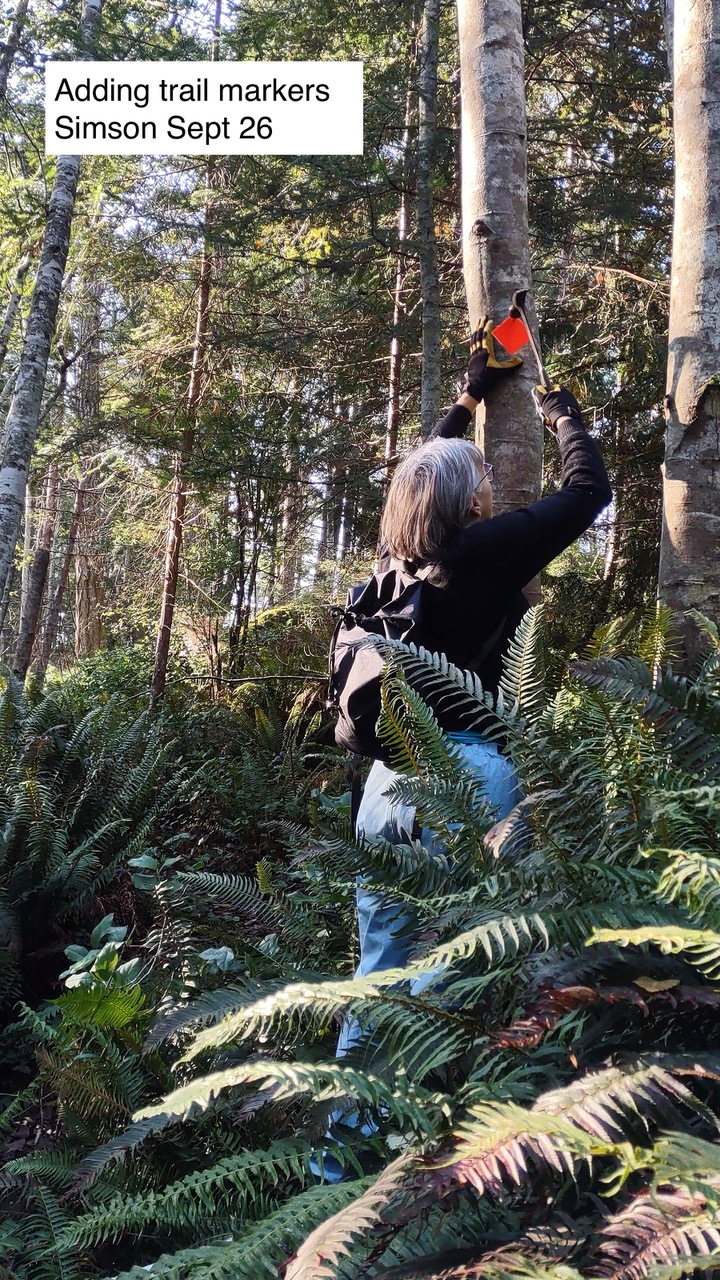
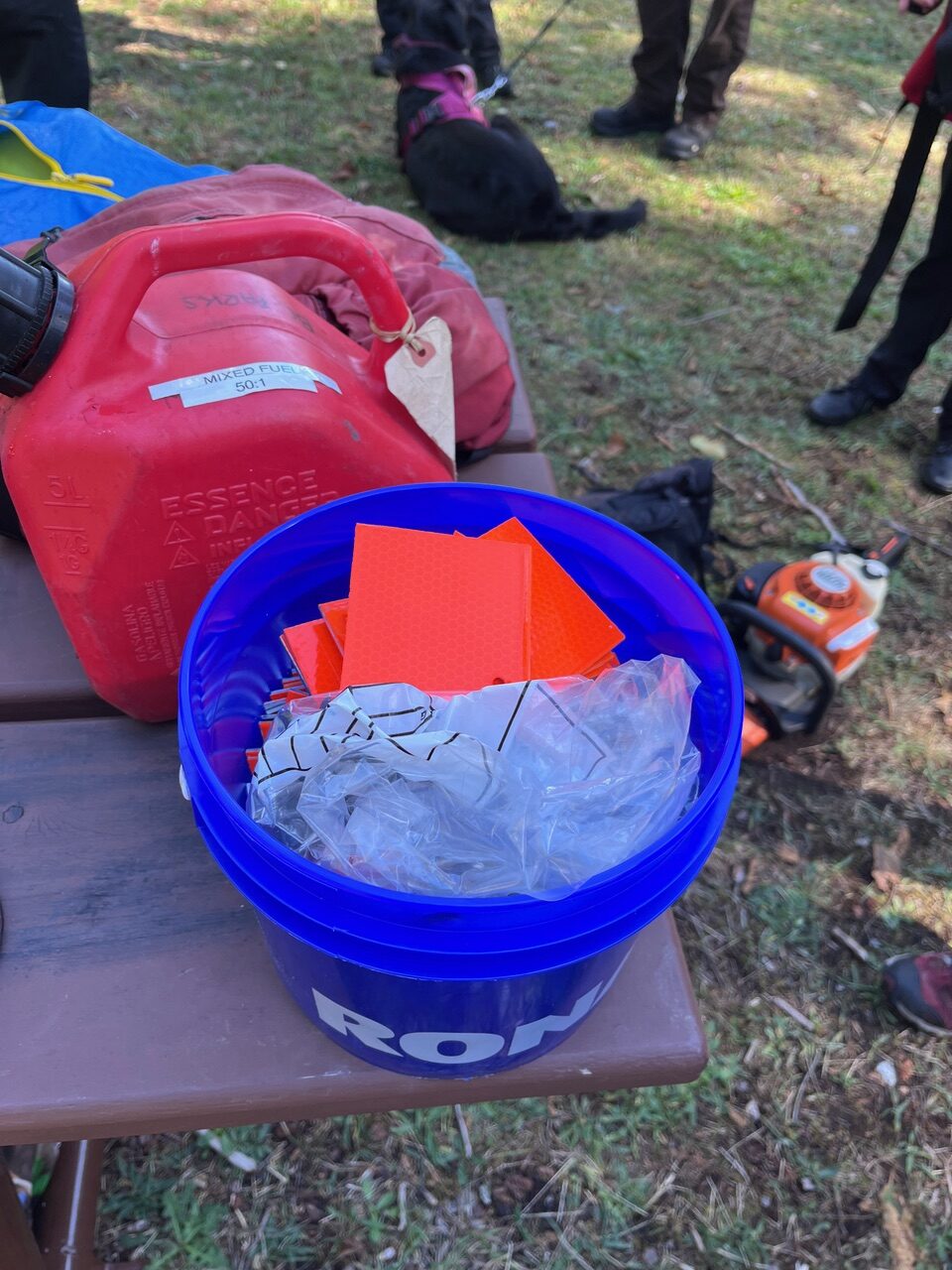
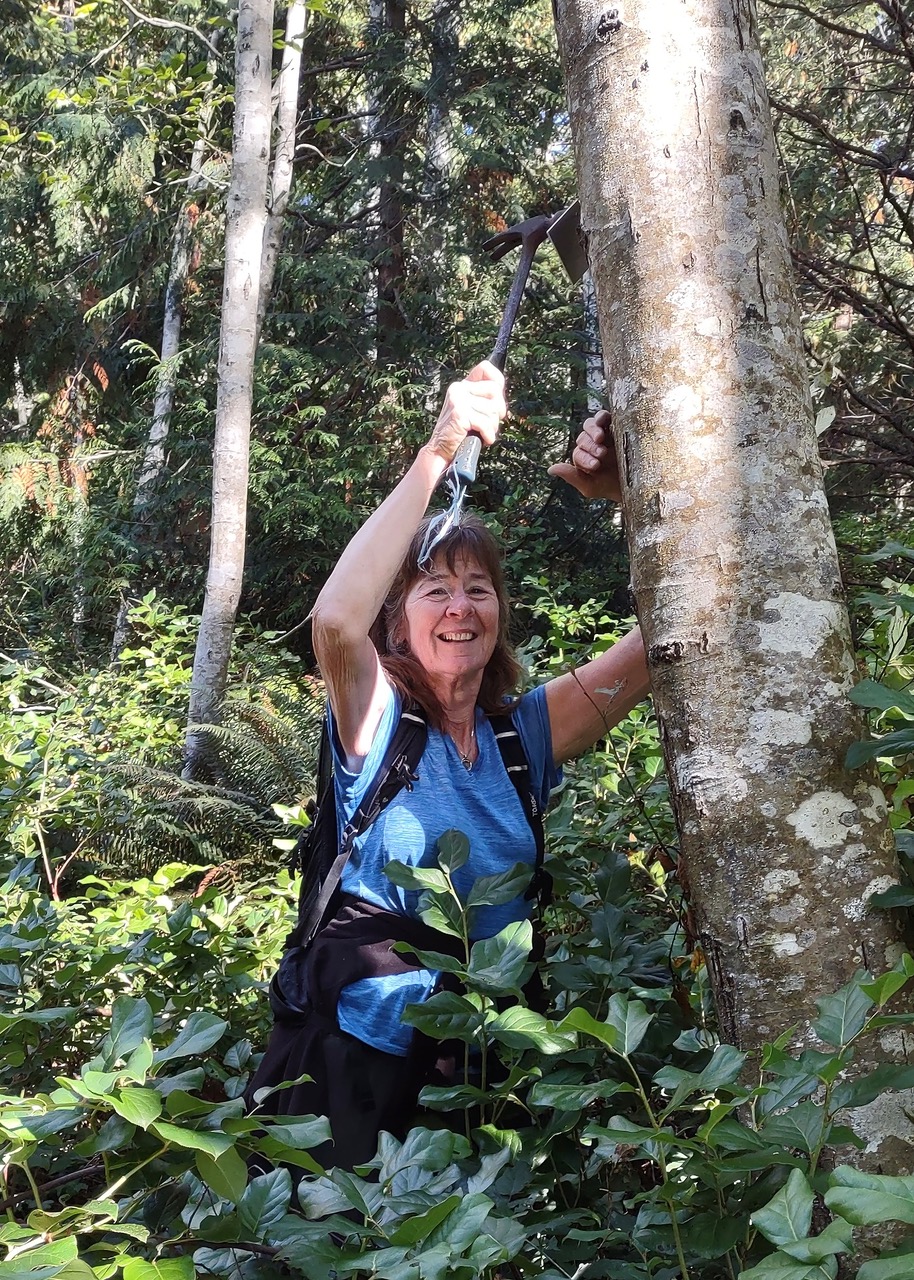
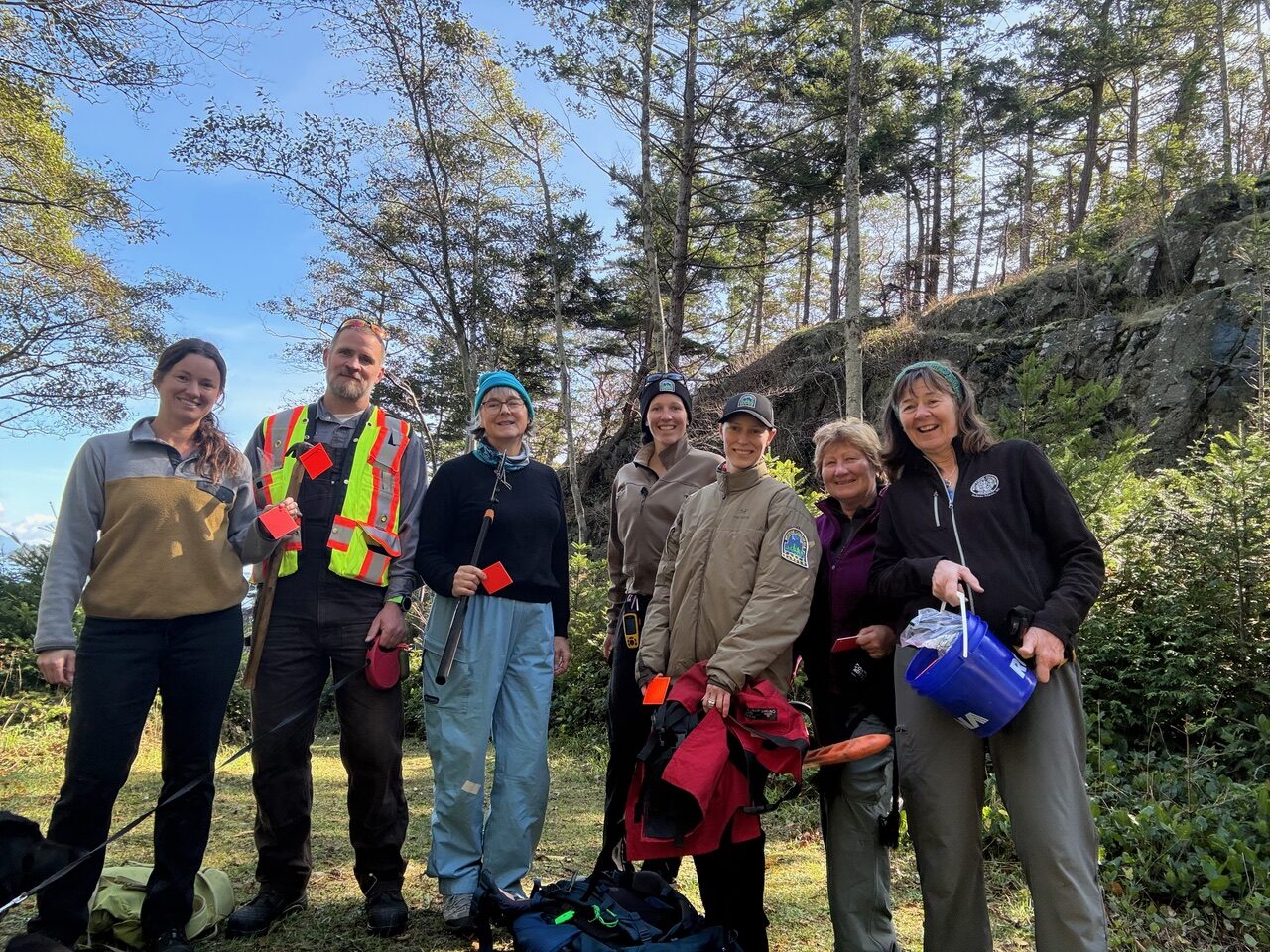
Thank you Cynthia Kennedy for this update and photos of SKABC's recent Conservation projects at Prevost Island, Widgeon Creek, and Simpson Park.

Conservation update June 2026

Posted in announcement | Comments Off on Conservation Update June 2026

SKABC 2026 Desolation Sound Mentoring Trip

Desolation Sound Mentor Trip Report

The 2026 Desolation Sound Mentor Trip was a tremendous success, providing participants with seven days of expedition paddling, camping, mentorship, and real-world decision making in one of British Columbia's most spectacular kayaking destinations.

Day 1 – Arrival

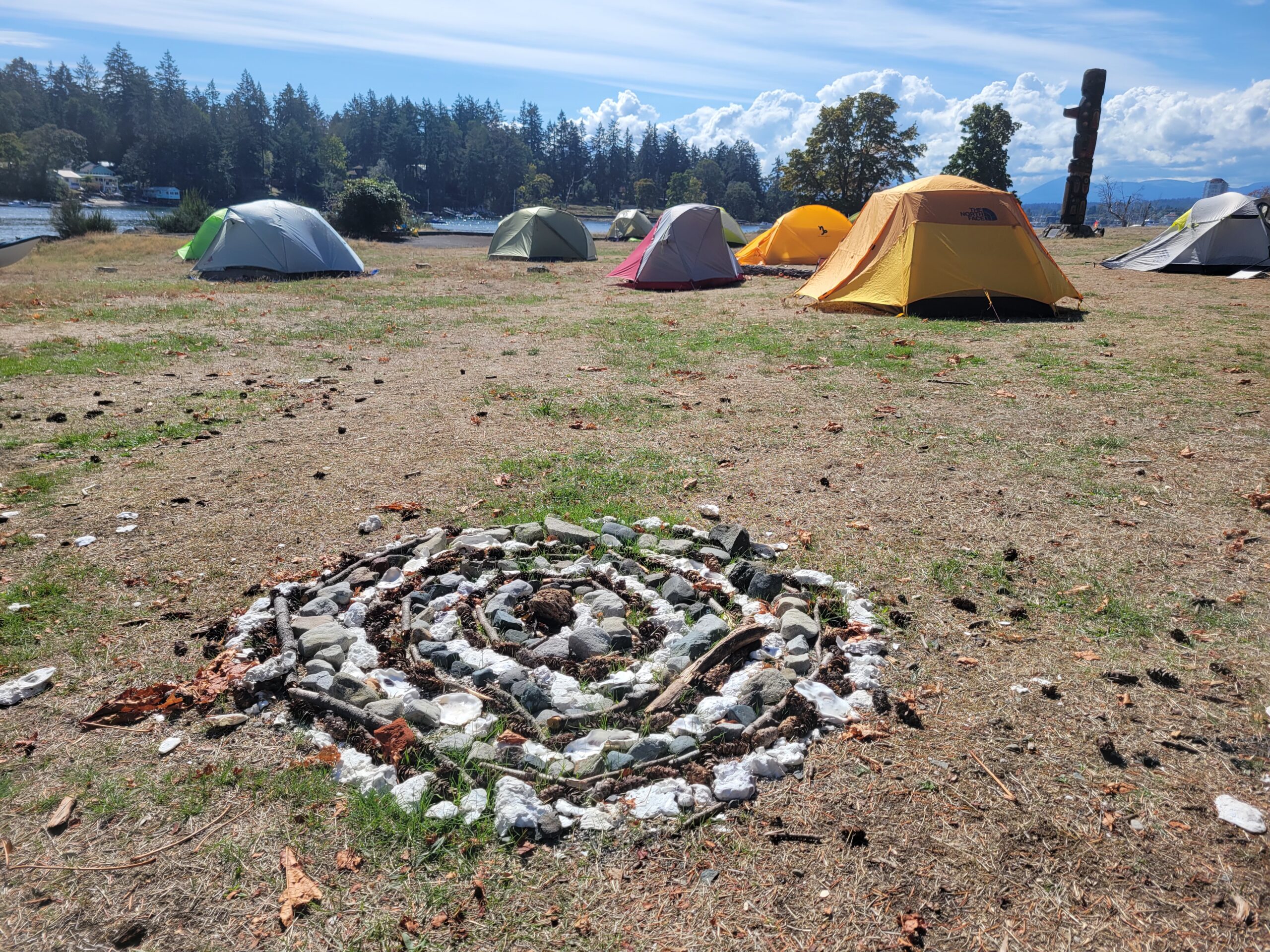
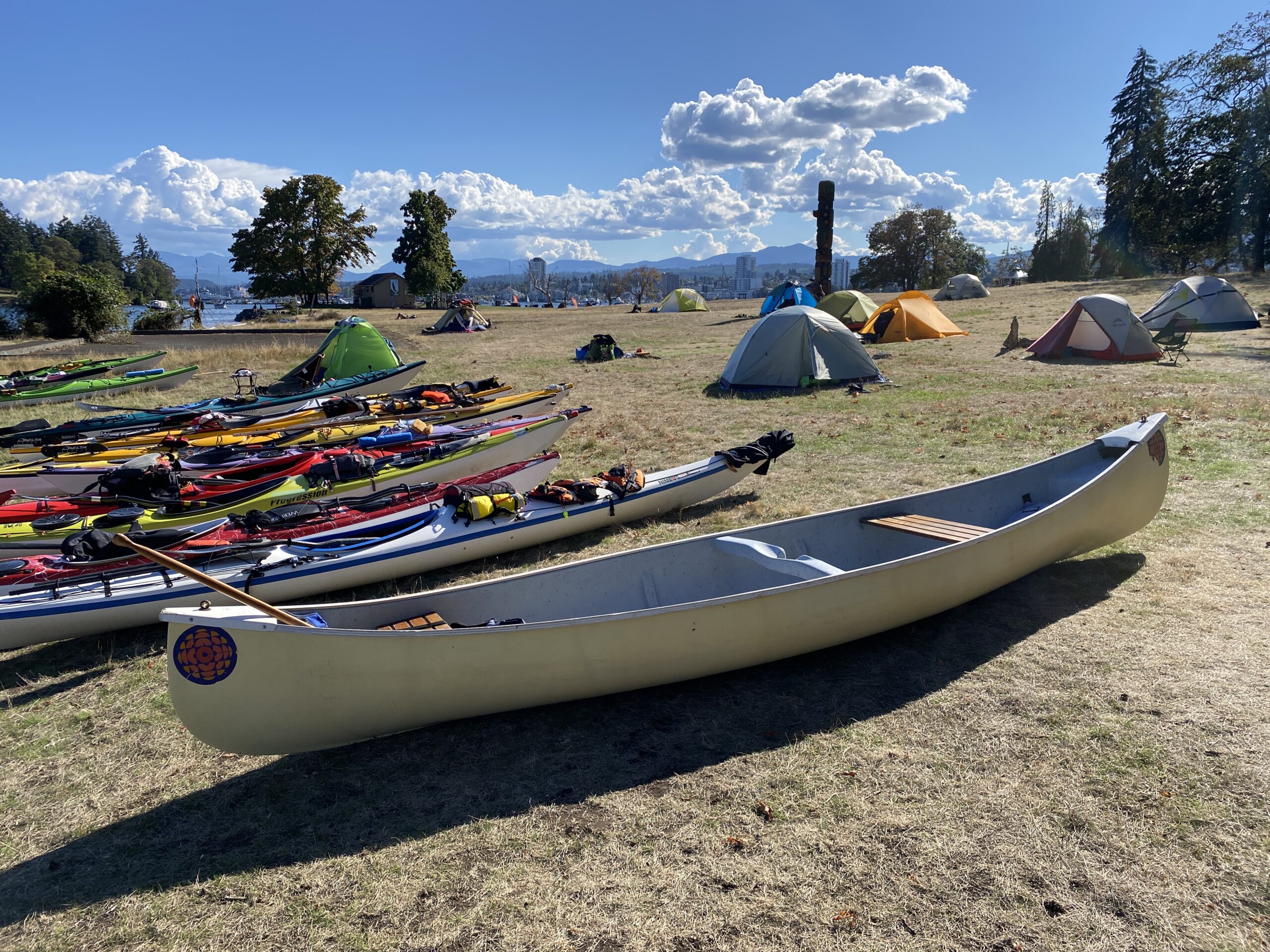
After two ferry crossings and a short drive north, the group arrived at Okeover Arm Provincial Park for our first night. The campground was still officially in the off-season, leaving us with the entire site to ourselves. It was a peaceful start to the trip and a chance for everyone to settle in, organize gear, and prepare for the week ahead.

Day 2 – Into Desolation Sound

We launched under clear skies and warm sunshine with almost no wind. Our first lesson arrived immediately as we began paddling out of Okeover Arm. What we thought would be a helpful ebbing tide quickly proved otherwise, and we found ourselves working much harder than expected to escape the arm.

Once free of the current, we crossed toward the Curme Islands and were rewarded with another unexpected gift: complete solitude. With the entire island chain seemingly ours, we selected West Curme Island as our base camp for the next several days.

Days 3 & 4 – Exploration and Discovery

The next two days showcased Desolation Sound at its very best.

Under hot sunshine, light winds, and clear skies, we explored deeper into the marine park, visiting the William Islands and making our way to Roscoe Bay. A hike to Black Lake provided an opportunity for swimming and collecting fresh water for showers back at camp.

The following day brought another leisurely adventure as we paddled to Tenedos Bay and hiked to Unwin Lake. Warm water, beautiful scenery, and relaxed exploration kept spirits high and allowed participants to focus on enjoying both the paddling and the surrounding wilderness.

These days provided countless opportunities for mentorship discussions, camp-craft, navigation, expedition planning, and the many small skills that make multi-day kayak travel more comfortable and enjoyable.

Day 5 – The Lesson

Day five became one of the most valuable learning experiences of the trip.

Our plan was straightforward: launch early, stay ahead of an approaching weather system, and make our way south toward the Copeland Islands. We were on the water by 8:00 AM and made good progress toward Martin Island, where we stopped for a short break before continuing.

As we rested, something caught our attention.

Although conditions around us remained calm, the trees across the channel near Refuge Cove were bending dramatically in the strengthening winds. What looked like a manageable weather forecast was rapidly changing in front of us.

After discussing the situation, Kapila and I independently arrived at the same conclusion: it was time to pull the pin and establish camp immediately.

The decision was not universally popular. We had stopped well short of our intended destination, and the change of plans came without warning. However, mentorship opportunities rarely arrive on schedule.

We explained our reasoning and encouraged everyone to trust the process. Within hours, Mother Nature revealed exactly why the decision had been made.

Heavy winds and intense rain arrived overnight, testing every tarp setup and campsite arrangement. By morning, with sunshine returning and calm conditions restored, it was obvious that stopping early had been the correct call.

The lesson was simple but important: weather forecasts are valuable, but conditions observed on the water are often even more valuable. Good trip leaders don't simply follow a plan. They adapt when conditions change.

Day 6 – Copeland Islands

With improving weather and renewed confidence in our decision-making process, the group continued south and arrived at North Copeland Campground without issue.

Once again, we found ourselves enjoying a rare luxury: having the entire area to ourselves.

The previous day's weather delay had transformed from disappointment into a valuable learning experience, and spirits were high as everyone settled into camp.

Day 7 – Testing Ourselves

The weather returned in full force.

Strong winds and heavy rain provided another excellent opportunity to practice expedition camping skills. Tarp systems, camp organization, and staying comfortable in challenging conditions became the focus of the day.

Rather than hiding from the weather, the group embraced it.

We launched and explored the Copeland Islands despite the conditions. The paddle from the north end of North Copeland to Sound Island took several hours of work against the wind. The return trip, aided by the same wind, took less than thirty minutes.

That evening approximately 100 mm of rain fell, providing a true test of everyone's shelter systems and campcraft.

While challenging, it was also one of the most memorable experiences of the trip.

Day 8 – Homeward Bound

The rain gods finally showed mercy.

Our final morning arrived dry, allowing everyone to pack up comfortably before making the return paddle to Lund. Favorable conditions allowed us to make excellent time, easily catch our scheduled ferries, and even re-book onto an earlier sailing for the final crossing back to the mainland.

Lessons Learned

The purpose of this mentor trip was never simply to paddle through Desolation Sound. It was to develop the skills and judgment necessary for safe and enjoyable expedition travel.

Participants gained experience in:

Expedition planning and logistics
Camp-craft and tarp systems
Weather observation and interpretation
Route planning and navigation
Group travel and communication
Decision making under changing conditions
Gear selection and packing strategies

Perhaps most importantly, participants learned when to continue and when to change plans. Good judgment is often the most important skill a paddler can develop.

As one participant, Paul Barrett, reflected:

"This trip was very well organized and right from the beginning, pre-trip communication was great. Online spreadsheet with all the details was made available to all of us."

"There were two days that challenged my abilities and this was good... One day was due to an incoming weather system so we did not reach our destination but instead chose to hold up on Martin Island. Fair to be noted this was mentioned as Plan B in the event we run into bad weather so kudos to Ken and Kapila."

"The other was a paddle around the Copelands... There was one small section that I found difficult as the winds and waves were strong. Key thing is we stuck together and supported each other. I now feel more confident because of this experience."

"One other big take away was safety. Right from the first day launch it was made clear that we were to stick together and be in talking distance to each other, which we maintained throughout the trip."

Final Thoughts

Desolation Sound delivered everything we could have hoped for: sunshine, warm water, spectacular scenery, challenging weather, valuable lessons, and unforgettable experiences.

Most importantly, every participant returned home with greater confidence, new skills, and a deeper understanding of expedition paddling.

And yes, for those wondering, Ken did in fact intend to consume the entire 1L of maple syrup during the trip.

The evidence suggests he came dangerously close.

Mentor-trip-2026-skabc.jpg

Posted in trip/training report | Comments Off on SKABC 2026 Desolation Sound Mentoring Trip